
The Ultimate Guide to Planning Your Dream Trip to Scotland: Calculating the Cost
Scotland is a country that is rich in history, culture, and natural beauty. From the stunning landscapes of the Highlands to the vibrant cities of Edinburgh
Scotland is a country that is rich in history, culture, and natural beauty. From the stunning landscapes of the Highlands to the vibrant cities of Edinburgh and Glasgow, there is something for everyone to enjoy. However, planning a trip to Scotland can be overwhelming, especially when it comes to budgeting. In this blog post, we will provide you with all the information you need to plan your Scottish adventure on a budget. From understanding the currency to finding affordable accommodations and activities, we have got you covered.
Key Takeaways
- Understanding the currency is crucial to calculating the cost of your trip to Scotland.
- Accommodation options vary in price, but with research, you can find the best deals for your budget.
- Choosing the right mode of transportation can save you money on your Scottish adventure.
- Budgeting for meals is important, but there are ways to save money while still enjoying the local cuisine.
- Planning your itinerary and budgeting for activities and attractions can help you make the most of your trip without overspending.
Understanding the Currency: How to Calculate the Cost of Your Trip to Scotland
Before you start planning your trip to Scotland, it is important to understand the currency and how to convert it to your home currency. The currency in Scotland is the British Pound (GBP). To convert GBP to your home currency, you can use online currency converters or consult with your bank or credit card provider.
When estimating expenses for your trip, it is important to consider accommodations, transportation, food, activities, and shopping. Accommodations in Scotland can range from budget hostels to luxury hotels. Hostels and Airbnb options are often more affordable than hotels, especially if you are traveling on a budget. Transportation costs will depend on whether you choose to travel by train, bus, or rental car. Food costs can vary depending on where you choose to eat, with local pubs often offering more affordable options. Activities and attractions can range from free hikes in the Highlands to paid tours of castles and museums. Finally, shopping for souvenirs and gifts can add up quickly if you are not careful.
Accommodation Options: Finding the Best Deals for Your Budget
When it comes to finding affordable accommodations in Scotland, there are several options available. Hostels are a popular choice for budget travelers as they offer dormitory-style rooms at a lower cost than hotels. Many hostels also have private rooms available for those who prefer more privacy. Another option is Airbnb, where you can rent a room or an entire apartment from a local host. This can often be a more affordable and authentic experience than staying in a hotel.
If you prefer the convenience of a hotel, there are also budget options available in Scotland. Look for hotels that offer discounts and promotions, especially if you are booking in advance. Many hotels also offer special rates for longer stays or for booking directly through their website.
Regardless of the type of accommodation you choose, it is important to book in advance to secure the best deals. Prices can vary depending on the time of year, so it is worth doing some research and comparing prices before making a decision.
Transportation: Choosing the Right Mode of Travel for Your Scottish Adventure
| Mode of Travel | Advantages | Disadvantages |
|---|---|---|
| Car Rental | Flexibility, convenience, ability to explore remote areas | Expensive, parking can be difficult, navigating narrow roads |
| Train | Scenic views, comfortable, environmentally friendly | Less flexible, limited access to remote areas, can be expensive |
| Bus | Cost-effective, frequent routes, access to remote areas | Less flexible, can be crowded, limited luggage space |
| Bicycle | Environmentally friendly, great exercise, ability to explore at a slower pace | Requires physical effort, limited range, weather dependent |
When it comes to transportation in Scotland, there are several options to consider. Trains are a popular choice for traveling between cities, as they are fast and efficient. However, they can be more expensive than other modes of transportation, especially if you are traveling long distances.
Buses are another option for getting around Scotland. They are often cheaper than trains and offer more flexibility in terms of routes and schedules. Many bus companies offer discounted fares for booking in advance or for purchasing multi-journey tickets.
If you prefer the freedom of having your own vehicle, renting a car can be a good option. This allows you to explore Scotland at your own pace and visit more remote areas that may not be easily accessible by public transportation. However, it is important to consider the cost of fuel and parking when budgeting for a rental car.
Regardless of the mode of transportation you choose, it is important to book in advance to secure the best deals. Many train and bus companies offer discounted fares for booking online or in advance. It is also worth considering purchasing a travel pass or card, which can offer unlimited travel on public transportation for a set period of time.
Dining and Food Costs: How to Budget for Meals on Your Trip
Food costs can vary depending on where and what you choose to eat in Scotland. Eating out at restaurants can be expensive, especially in touristy areas. However, there are ways to save money on meals while still enjoying the local cuisine.
One option is to cook your own meals. If you are staying in a hostel or Airbnb, you will likely have access to a kitchen where you can prepare your own meals. This can be a great way to save money, especially if you are traveling with a group or on a tight budget.
Another option is to eat at local pubs. Pubs in Scotland often offer affordable and hearty meals, such as fish and chips or traditional Scottish dishes like haggis. This can be a great way to experience the local culture while also saving money.
If you do choose to eat out at restaurants, consider opting for lunch instead of dinner. Many restaurants offer lunch specials or set menus at a lower cost than their dinner menu. It is also worth looking for restaurants that offer early bird specials or discounts for booking in advance.
Activities and Attractions: Planning Your Itinerary and Budgeting for Fun
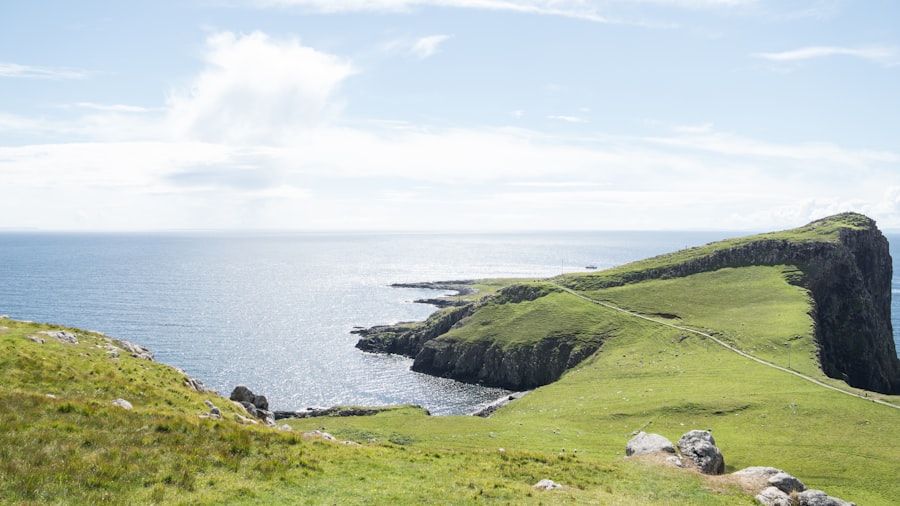
Scotland is full of activities and attractions that cater to all interests and budgets. From exploring historic castles to hiking in the Highlands, there is something for everyone to enjoy.
When planning your itinerary, it is important to prioritize your must-see sights and experiences. This will help you allocate your budget accordingly and ensure that you don’t miss out on anything that is important to you.
There are also many free or low-cost activities and attractions in Scotland that can help you save money. For example, many museums and galleries offer free admission or discounted rates on certain days of the week. There are also plenty of hiking trails and nature reserves that are free to explore.
If you are interested in paid activities or attractions, it is worth looking for discounts and promotions. Many attractions offer discounted rates for booking in advance or for purchasing tickets online. It is also worth considering purchasing a sightseeing pass or card, which can offer discounted admission to multiple attractions.
Shopping: Tips for Souvenirs and Scottish Gifts on a Budget
Shopping for souvenirs and gifts is a popular activity for many travelers, but it can also be a costly one. However, there are ways to find affordable options and avoid tourist traps.
One option is to shop at local markets or independent shops. These often offer unique and handmade items at a lower cost than touristy souvenir shops. It is also worth considering purchasing souvenirs that are specific to Scotland, such as tartan scarves or whisky.
If you are interested in purchasing higher-end items or unique experiences, it is important to budget accordingly. Consider setting aside a specific amount of money for shopping and prioritize your purchases based on what is most important to you.
Travel Insurance: Protecting Your Investment and Preparing for the Unexpected
Travel insurance is an important aspect of any trip, especially when traveling abroad. It can help protect your investment in case of unexpected events, such as trip cancellations, medical emergencies, or lost luggage.
When choosing a travel insurance policy, it is important to consider your specific needs and budget. Look for policies that offer coverage for medical expenses, trip cancellations or interruptions, and lost or stolen belongings. It is also worth considering policies that offer 24/7 emergency assistance and coverage for activities such as hiking or adventure sports.
Before purchasing a policy, it is important to read the fine print and understand what is covered and what is not. Some policies may have exclusions or limitations that could affect your coverage. It is also worth comparing prices and coverage options from different insurance providers to ensure you are getting the best value for your money.
Budgeting Tips and Tricks: How to Save Money on Your Scottish Adventure
When it comes to budgeting for your Scottish adventure, there are several tips and tricks that can help you save money. One strategy is to set a daily spending limit and track your expenses to ensure you stay within your budget. This can help you identify areas where you may be overspending and make adjustments as needed.
Another tip is to save money on transportation by taking advantage of discounts and promotions. As mentioned earlier, many train and bus companies offer discounted fares for booking in advance or for purchasing multi-journey tickets. It is also worth considering purchasing a travel pass or card, which can offer unlimited travel on public transportation for a set period of time.
When it comes to accommodations, consider booking in advance to secure the best deals. Many hotels and hostels offer discounts and promotions for booking early or for staying for a longer period of time. It is also worth considering alternative options such as Airbnb or budget hotels.
Hidden Costs: Preparing for Unexpected Expenses on Your Trip
When budgeting for your trip to Scotland, it is important to consider hidden costs that may not be immediately obvious. These can include taxes, service fees, or additional charges for activities or attractions.
One way to prepare for these hidden costs is to do thorough research before your trip. Look for information on any additional charges or fees that may apply to the activities or attractions you are interested in. It is also worth considering setting aside a specific amount of money in your budget for unexpected expenses.
It is also important to be prepared for unexpected emergencies or expenses, such as medical emergencies or lost luggage. This is where travel insurance can be invaluable, as it can help cover the costs associated with these events. It is also worth having a contingency plan in place, such as having access to emergency funds or having a backup copy of important documents.
Finalizing Your Budget: Making Sure Your Dream Trip to Scotland is Financially Feasible
Before embarking on your Scottish adventure, it is important to finalize your budget to ensure that your trip is financially feasible. This involves reviewing and adjusting your budget as needed based on the information and tips provided in this blog post.
When finalizing your budget, it is important to be realistic and flexible. While it is important to stick to your budget as much as possible, it is also important to be open to alternative options if necessary. This could include adjusting your itinerary, finding cheaper accommodations, or cutting back on certain activities or expenses.
It is also worth considering setting aside a contingency fund for unexpected expenses or emergencies. This can help provide peace of mind and ensure that you are prepared for any unforeseen events that may arise during your trip.
Ready to Explore Scotland on a Budget
Planning a trip to Scotland on a budget may seem daunting at first, but with the right information and tips, it can be an achievable goal. By understanding the currency, finding affordable accommodations and transportation options, budgeting for meals and activities, and being prepared for unexpected expenses, you can ensure that your dream trip to Scotland is financially feasible.
So start planning your Scottish adventure with confidence and excitement. With the right budgeting strategies in place, you can explore all that Scotland has to offer without breaking the bank. Whether you are interested in exploring historic castles, hiking in the Highlands, or sampling traditional Scottish cuisine, there is something for everyone to enjoy in this beautiful country. So pack your bags and get ready for an unforgettable adventure in Scotland!
If you’re planning a trip to Scotland, you might be wondering about the cost and how to budget effectively. Luckily, there’s an informative article that can help you with just that. Check out this article on “How to Plan and Budget for a Trip to Scotland” from Nextep Funding. It provides valuable insights and tips on estimating expenses, finding affordable accommodations, and saving money on transportation. Whether you’re a solo traveler or going with a group, this article will give you the tools you need to plan your Scottish adventure without breaking the bank. Read more
FAQs
What is the average cost of a trip to Scotland?
The average cost of a trip to Scotland varies depending on factors such as the duration of the trip, the type of accommodation, and the activities planned. However, a rough estimate for a week-long trip for two people can range from $1,500 to $3,000.
What are the major expenses to consider when planning a trip to Scotland?
The major expenses to consider when planning a trip to Scotland include airfare, accommodation, transportation, food, and activities. Other expenses to consider include travel insurance, visa fees (if applicable), and souvenirs.
What is the best time to visit Scotland to save money?
The best time to visit Scotland to save money is during the off-season, which is from November to March. During this time, accommodation and airfare prices are generally lower, and there are fewer crowds.
What are some budget-friendly accommodation options in Scotland?
Some budget-friendly accommodation options in Scotland include hostels, guesthouses, and bed and breakfasts. These options are generally cheaper than hotels and offer a more authentic Scottish experience.
What are some free or low-cost activities to do in Scotland?
Some free or low-cost activities to do in Scotland include visiting museums and galleries, hiking in the Scottish Highlands, exploring historic sites such as castles and ruins, and attending local festivals and events.
What is the best way to save money on transportation in Scotland?
The best way to save money on transportation in Scotland is to use public transportation such as buses and trains. It is also recommended to purchase a travel pass, such as the Scottish Explorer Pass, which offers discounted admission to various attractions and free transportation on certain routes.