
Maximizing Your Travel Budget: Tips for Economical Vacation Planning
Budgeting for travel is an essential aspect of planning any trip. It allows you to have a clear understanding of your financial limitations and helps you make
Budgeting for travel is an essential aspect of planning any trip. It allows you to have a clear understanding of your financial limitations and helps you make informed decisions about where to spend your money. By following these tips, you can save money while still having a great trip. Whether you’re planning a weekend getaway or a month-long adventure, these budgeting tips will ensure that you make the most of your travel experience without breaking the bank.
Key Takeaways
- Starting with a budget plan is crucial for a successful and stress-free trip.
- Choosing the right time to travel can save you a lot of money on flights and accommodations.
- Opting for affordable destinations can help you stretch your budget further.
- Booking your flights and accommodations early can help you secure the best deals.
- Looking for travel deals and discounts can help you save money on various aspects of your trip.
Start with a budget plan
Before you start planning your trip, it’s important to set a budget. This will help you determine how much money you can allocate to different aspects of your trip, such as accommodation, transportation, food, and activities. To create a realistic budget, start by calculating your total available funds for the trip. Then, break down your expenses into categories and allocate a specific amount of money to each category. Be sure to include any additional costs such as travel insurance or visa fees.
Choose the right time to travel
Traveling during off-peak seasons can save you a significant amount of money. During these times, flights and accommodations are often cheaper, and popular tourist attractions are less crowded. Research the destination you plan to visit and find out when their off-peak season is. This will vary depending on the location, so it’s important to do your research beforehand. Additionally, consider traveling on weekdays instead of weekends, as flights and accommodations tend to be cheaper during the week.
Opt for affordable destinations
| Destination | Average Cost of Accommodation (per night) | Average Cost of Food (per day) | Average Cost of Transportation (per day) |
|---|---|---|---|
| Thailand | 20 | 10 | 5 |
| Bali, Indonesia | 25 | 10 | 5 |
| Nicaragua | 20 | 10 | 5 |
| Portugal | 30 | 15 | 10 |
| Mexico | 25 | 10 | 5 |
Choosing less popular destinations can also help you save money while traveling. Popular tourist destinations often come with higher price tags for accommodations, food, and activities. By opting for lesser-known destinations, you can experience unique cultures and attractions at a fraction of the cost. Research destinations that are known for being budget-friendly and offer a wide range of affordable options for travelers.
Book your flights and accommodations early
Booking your flights and accommodations early can save you a significant amount of money. Airlines and hotels often offer discounted rates for early bookings. By planning ahead and booking in advance, you can take advantage of these deals and secure the best prices. Additionally, consider using flight comparison websites and hotel booking platforms to find the best deals. These platforms allow you to compare prices from different airlines and hotels, ensuring that you get the best value for your money.
Look for travel deals and discounts
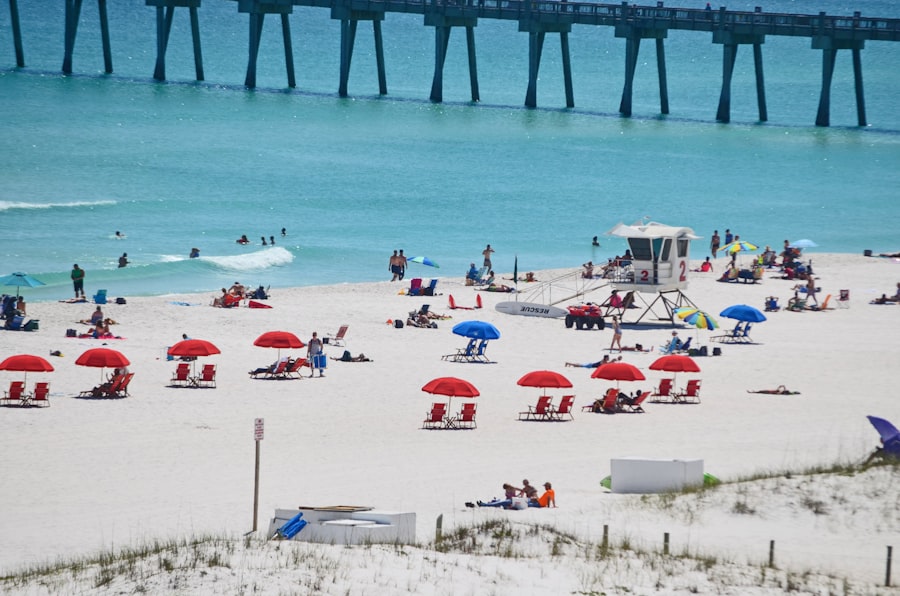
Searching for travel deals and discounts is another great way to save money while traveling. Many travel companies, airlines, and hotels offer special promotions and discounts throughout the year. Keep an eye out for these deals and take advantage of them when planning your trip. Additionally, consider signing up for newsletters or following travel companies on social media to stay updated on the latest deals and promotions.
Plan your itinerary ahead of time
Planning your itinerary ahead of time can help you save money by avoiding unnecessary expenses. By having a clear plan of what you want to do and see during your trip, you can prioritize your spending and avoid overspending on activities that may not be worth it. Research the attractions and activities in your destination beforehand and determine which ones are must-visit for you. This will help you allocate your budget accordingly and ensure that you make the most of your trip.
Use public transportation or walk instead of taking taxis
Using public transportation or walking instead of taking taxis can save you a significant amount of money on transportation costs. Public transportation is often much cheaper than taxis, especially in cities with well-developed public transportation systems. Research the public transportation options in your destination and familiarize yourself with their routes and schedules. Additionally, consider walking whenever possible, as it not only saves money but also allows you to explore the city at a slower pace and discover hidden gems along the way.
Eat like a local
Eating like a local can save you money on food expenses while traveling. Instead of dining at touristy restaurants, opt for local eateries and street food stalls. Not only will you get to experience authentic local cuisine, but you’ll also save money in the process. Research the local food scene in your destination and ask locals for recommendations. Additionally, consider visiting local markets and grocery stores to buy snacks and ingredients for meals. This will not only save you money but also give you the opportunity to try new foods and flavors.
Take advantage of free activities and attractions
Finding free activities and attractions is a great way to save money while traveling. Many cities offer free walking tours, museums with free admission days, and parks and gardens that are open to the public. Research the free activities and attractions in your destination and plan your itinerary accordingly. Additionally, consider exploring the natural beauty of your destination by going on hikes or visiting nearby beaches or lakes. These activities are often free or have minimal costs associated with them.
Avoid unnecessary expenses and splurges
Avoiding unnecessary expenses and splurges is crucial when trying to stick to a budget while traveling. It’s easy to get caught up in the excitement of being in a new place and overspend on things that may not be worth it in the long run. Before making any purchase, ask yourself if it’s something you truly need or if it’s just a fleeting desire. By being mindful of your spending and avoiding unnecessary expenses, you can stay within your budget and make the most of your travel experience.
In conclusion, budgeting for travel is essential for making the most of your trip without overspending. By starting with a budget plan, choosing the right time to travel, opting for affordable destinations, booking flights and accommodations early, looking for travel deals and discounts, planning your itinerary ahead of time, using public transportation or walking instead of taking taxis, eating like a local, taking advantage of free activities and attractions, and avoiding unnecessary expenses and splurges, you can save money while still having a great travel experience. So, the next time you plan a trip, be sure to follow these tips and make the most of your travel budget.
If you’re looking for ways to save money while planning your next vacation, you might find this article on economical vacation planning helpful. It provides valuable tips and tools to help you organize your small business and make the most of your budget. Check it out here.
FAQs
What is economical vacation planning?
Economical vacation planning is the process of planning a vacation that is affordable and fits within a budget.
Why is economical vacation planning important?
Economical vacation planning is important because it allows individuals and families to enjoy a vacation without overspending or going into debt.
What are some tips for economical vacation planning?
Some tips for economical vacation planning include setting a budget, choosing a destination that is affordable, traveling during the off-season, using travel rewards programs, and finding deals on accommodations and activities.
How can I save money on transportation during my vacation?
To save money on transportation during your vacation, consider using public transportation, renting a car, or carpooling with other travelers.
What are some affordable vacation destinations?
Some affordable vacation destinations include national parks, camping sites, beach towns, and cities with low-cost attractions and accommodations.
How can I save money on accommodations during my vacation?
To save money on accommodations during your vacation, consider staying in a hostel, renting a vacation home, or using a hotel rewards program.
What are some affordable activities to do during a vacation?
Some affordable activities to do during a vacation include hiking, visiting museums and historical sites, exploring local parks and beaches, and attending free events and festivals.