
Exploring the World on a Budget: The Art of Backpacking
Backpacking is a form of travel that involves carrying all your belongings in a backpack and exploring different destinations on a budget. It is a popular way
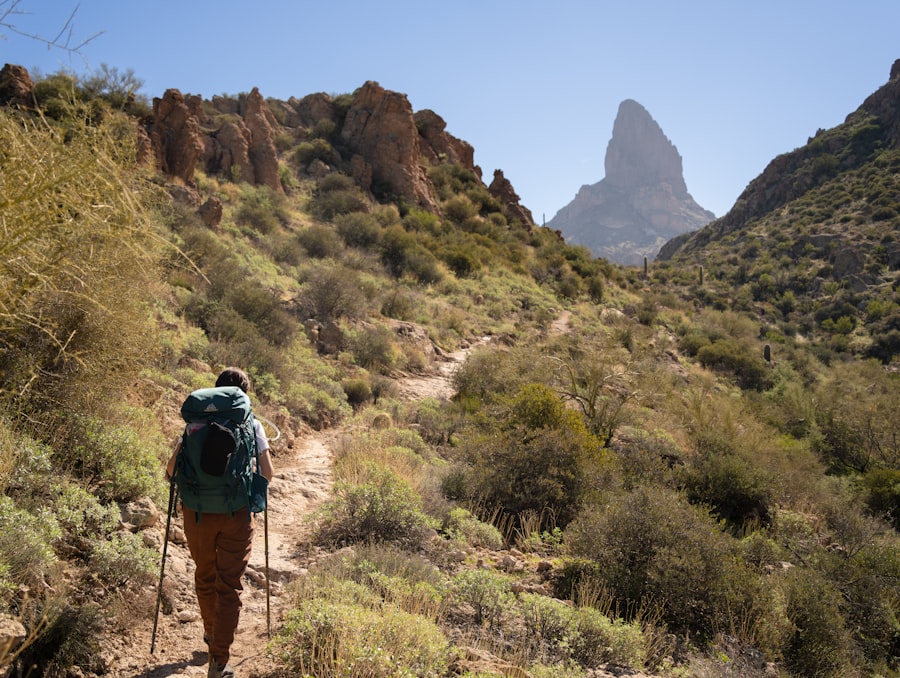
Backpacking is a form of travel that involves carrying all your belongings in a backpack and exploring different destinations on a budget. It is a popular way to travel for many reasons, including the freedom it offers, the opportunity to immerse oneself in different cultures, and the chance to see the world without breaking the bank.
One of the main benefits of backpacking is the freedom it provides. Unlike traditional forms of travel where you are tied to a fixed itinerary and schedule, backpacking allows you to be spontaneous and go wherever your heart desires. You have the flexibility to change your plans at a moment’s notice and explore off-the-beaten-path destinations that may not be on the typical tourist route.
Another advantage of backpacking is the opportunity to immerse yourself in different cultures. By staying in budget accommodations and eating local food, you can experience the authentic way of life in each destination. Backpacking also allows you to connect with locals and learn about their customs, traditions, and way of life. This cultural immersion can be a truly enriching experience that broadens your horizons and gives you a deeper understanding of the world.
Backpacking is also a budget-friendly way to travel. By staying in affordable accommodations, eating cheaply, and using public transportation, you can significantly reduce your expenses compared to traditional forms of travel. This makes it accessible to people with different budgets and allows you to stretch your money further, enabling you to travel for longer periods of time.
Key Takeaways
- Backpacking is a budget-friendly way to travel the world.
- Essential gear for backpacking includes a sturdy backpack, comfortable shoes, and a water bottle.
- Affordable countries to explore include Thailand, Vietnam, and Mexico.
- Planning your itinerary and using budget accommodation options like hostels and couchsurfing can help maximize your time and money.
- Finding cheap eats and using transportation options like buses and trains can help you save money while backpacking.
Essential Backpacking Gear
When embarking on a backpacking trip, it is important to have the right gear to ensure your comfort and safety. Here are some essential items you should consider packing:
1. Backpack: A good quality backpack is essential for carrying all your belongings. Look for one that is durable, comfortable to wear, and has enough storage space for all your gear.
2. Clothing and footwear: Pack lightweight and versatile clothing that can be layered for different weather conditions. Choose comfortable and sturdy footwear that is suitable for walking long distances.
3. Sleeping gear: A lightweight and compact sleeping bag is essential for a good night’s sleep. Consider also packing a sleeping pad or inflatable mattress for added comfort.
4. Cooking gear: If you plan on cooking your own meals, pack a lightweight camping stove, cookware, and utensils. Don’t forget to also bring a water filter or purification tablets to ensure access to clean drinking water.
5. Navigation tools: A map, compass, and GPS device can help you navigate your way through unfamiliar territories. It is also a good idea to have a guidebook or travel app that provides information about the destinations you plan to visit.
6. First aid kit: Pack a basic first aid kit that includes essentials such as bandages, antiseptic ointment, pain relievers, and any necessary prescription medications.
7. Other important items: Don’t forget to pack essentials such as a headlamp or flashlight, a multi-tool, a portable charger for your electronic devices, and a travel towel.
Choosing Your Destination
When choosing a destination for your backpacking trip, there are several factors to consider. These include your budget, the time of year you plan to travel, the type of experience you are looking for, and any specific interests or activities you want to pursue.
If you are on a tight budget, there are many countries that offer affordable options for backpackers. Southeast Asia is a popular destination due to its low cost of living and abundance of budget accommodations and transportation options. Countries such as Thailand, Vietnam, Cambodia, and Indonesia offer a rich cultural experience at an affordable price.
Other popular backpacking destinations include South America, Eastern Europe, and parts of Africa. These regions offer a mix of stunning landscapes, vibrant cultures, and unique experiences that are sure to leave a lasting impression.
Planning Your Itinerary
| Category | Metric |
|---|---|
| Transportation | Number of flights/train rides/bus rides |
| Accommodation | Number of nights booked |
| Activities | Number of tours/attractions booked |
| Food | Number of meals planned |
| Budget | Total estimated cost |
When planning your backpacking itinerary, it is important to maximize your time and money. Here are some tips to help you make the most of your trip:
1. Create a flexible itinerary: While it is important to have a rough plan of the places you want to visit, it is also important to leave room for spontaneity. This allows you to take advantage of unexpected opportunities and make changes based on recommendations from fellow travelers.
2. Budget for your trip: Before setting off on your backpacking adventure, create a budget that includes all your expenses such as accommodation, transportation, food, activities, and any additional costs such as visas or travel insurance. This will help you stay on track and avoid overspending.
3. Research transportation options: Look into different transportation options in each destination to find the most cost-effective and efficient way to get around. Public transportation such as buses or trains are often cheaper than taxis or rental cars.
Budget Accommodation
One of the biggest expenses when traveling is accommodation. However, there are several budget-friendly options available for backpackers:
1. Hostels: Hostels are a popular choice for backpackers as they offer affordable dormitory-style accommodation. They often have communal areas where travelers can socialize and share tips and advice.
2. Couchsurfing: Couchsurfing is a platform that connects travelers with locals who are willing to offer free accommodation. It is a great way to meet new people and experience the local culture firsthand.
3. Camping: If you enjoy the outdoors, camping can be a great option for budget accommodation. Many national parks and campsites offer affordable rates for tent camping.
4. Other affordable accommodation options: In addition to hostels, couchsurfing, and camping, there are other budget-friendly options such as guesthouses, budget hotels, and homestays. These options may not be as cheap as hostels or couchsurfing, but they still offer affordable rates compared to luxury hotels.
Cheap Eats
Food is another major expense when traveling, but there are ways to eat cheaply while still enjoying delicious local cuisine:
1. Finding delicious local food on a budget: Look for local eateries and street food stalls where you can sample authentic dishes at a fraction of the price of tourist restaurants. These places often offer a more authentic and flavorful experience.
2. Tips for eating cheaply while traveling: Consider eating your main meal at lunchtime when many restaurants offer discounted lunch specials. Another tip is to buy groceries and cook your own meals if you have access to a kitchen in your accommodation.
3. Street food and local markets: Street food is not only delicious but also a great way to experience the local culture. Local markets are also a good place to find fresh produce and affordable snacks.
Transportation Options
Getting around without breaking the bank is an important aspect of backpacking. Here are some affordable transportation options to consider:
1. Public transportation: Public transportation such as buses, trains, and trams are often the cheapest way to get around in many destinations. They are also a great way to experience the local way of life.
2. Hitchhiking: While not suitable for everyone, hitchhiking can be a cost-effective way to travel long distances. It is important to exercise caution and use common sense when hitchhiking.
3. Renting a bike or scooter: In some destinations, renting a bike or scooter can be an affordable and convenient way to explore the area. It gives you the freedom to go at your own pace and discover hidden gems off the beaten path.
Cultural Immersion
One of the highlights of backpacking is the opportunity to immerse yourself in different cultures. Here are some ways to make the most of your cultural experiences:
1. Connecting with locals: Interact with locals and learn about their way of life. Engage in conversations, ask for recommendations, and be open to new experiences.
2. Experiencing authentic traditions: Participate in local festivals, ceremonies, or cultural events to get a deeper understanding of the local traditions and customs.
3. Volunteer opportunities: Many destinations offer volunteer opportunities where you can contribute to the local community while gaining a unique cultural experience. This can be a rewarding way to give back and make a positive impact.
Safety Tips
While backpacking can be an exciting and enriching experience, it is important to prioritize your safety. Here are some tips to stay safe while backpacking in foreign countries:
1. Staying alert and aware of your surroundings: Be mindful of your surroundings and trust your instincts. Avoid walking alone at night in unfamiliar areas and be cautious of your belongings in crowded places.
2. Tips for avoiding scams and theft: Research common scams in the destinations you plan to visit and be aware of the tactics used by scammers. Keep your valuables secure and be cautious when sharing personal information.
3. How to handle emergencies: Familiarize yourself with the local emergency services and have a plan in place in case of an emergency. Carry a copy of important documents such as your passport and travel insurance information.
Sustainable Travel
As responsible travelers, it is important to minimize our environmental impact while backpacking. Here are some ways to practice sustainable travel:
1. Minimizing waste: Reduce your use of single-use plastics by carrying a reusable water bottle, shopping bag, and utensils. Dispose of waste properly and support businesses that prioritize sustainability.
2. Responsible tourism practices: Respect the local culture, traditions, and environment. Be mindful of your actions and avoid activities that harm wildlife or exploit local communities.
3. Eco-friendly gear and products: Choose eco-friendly gear such as reusable toiletry bottles, biodegradable sunscreen, and environmentally friendly camping gear. Support brands that prioritize sustainability.
Backpacking is a budget-friendly way to travel the world, offering the freedom to explore different destinations, immerse oneself in different cultures, and stretch your money further. By having the right gear, choosing the right destination, planning your itinerary wisely, and being mindful of your expenses, you can have an unforgettable backpacking experience without breaking the bank. So pack your bags, put on your hiking boots, and embark on an adventure of a lifetime!
If you’re passionate about backpacking and interested in exploring the world, you might also be curious about the impact of artificial intelligence (AI) on different industries. In a thought-provoking article titled “What Effect Will AI Have on Construction?” by Nextep Funding, you can delve into the potential advancements and challenges that AI brings to the construction sector. Discover how AI technologies are revolutionizing project management, safety measures, and overall efficiency in the construction industry. This article provides valuable insights into the future of construction and how AI can shape our built environment. Check it out here!
FAQs
What is backpacking?
Backpacking is a form of low-cost, independent travel that involves carrying all necessary belongings in a backpack. It often involves staying in budget accommodations, using public transportation, and engaging in outdoor activities.
What are the benefits of backpacking?
Backpacking allows for a more immersive travel experience, as it often involves interacting with locals and experiencing the culture firsthand. It can also be a more affordable way to travel and allows for greater flexibility in itinerary planning.
What should I pack for a backpacking trip?
It is important to pack light and only bring essential items, such as clothing appropriate for the climate, a sturdy backpack, comfortable shoes, a first aid kit, and any necessary travel documents.
What are some popular backpacking destinations?
Popular backpacking destinations include Southeast Asia, Europe, South America, and Australia. However, backpacking can be done in any destination with budget accommodations and accessible public transportation.
Is backpacking safe?
Backpacking can be safe if proper precautions are taken, such as researching the destination beforehand, staying aware of surroundings, and avoiding dangerous areas. It is also important to have travel insurance and to keep important documents and valuables secure.