
Exploring the Mysteries of Transylvania: Uncovering the Enchanting Region of Romania
Nestled in the heart of Romania, Transylvania is a land of mystery and intrigue. This region, located in the central part of the country, is known for its
Nestled in the heart of Romania, Transylvania is a land of mystery and intrigue. This region, located in the central part of the country, is known for its stunning natural landscapes, rich cultural heritage, and fascinating history. Transylvania has captivated the imaginations of people around the world, thanks in part to its association with Bram Stoker’s Dracula and the legends of vampires that have become synonymous with the region.
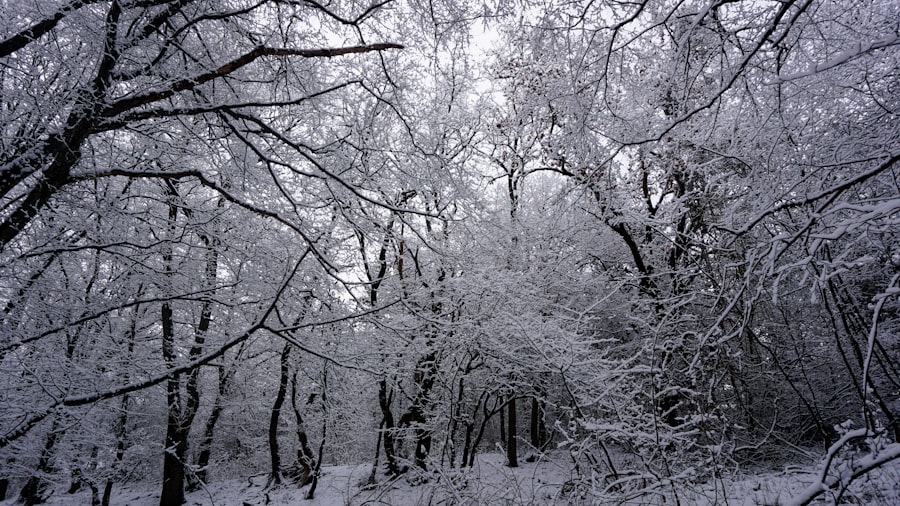
Transylvania’s location in the Carpathian Mountains gives it a unique charm and beauty. The region is surrounded by breathtaking landscapes, including dense forests, rolling hills, and majestic peaks. It is home to an abundance of wildlife, including bears, wolves, and lynx. The natural beauty of Transylvania has made it a popular destination for outdoor enthusiasts and nature lovers.
Key Takeaways
- Transylvania is a land of mystery and intrigue, known for its connection to Dracula and its natural beauty.
- The region has a rich history, from medieval times to modern day, with a strong cultural heritage and impressive architecture.
- Transylvania’s natural beauty includes mountains, forests, and wildlife, making it a great destination for outdoor enthusiasts.
- The region’s cultural heritage is celebrated through folklore, music, dance, and traditional cuisine, including local delicacies and wine and beer.
- Visitors to Transylvania can expect warm hospitality from the friendly locals and can explore the region’s festivals and traditions while taking in the stunning scenery.
The History of Transylvania: From Dracula to Modern Day
Transylvania has a rich and complex history that spans centuries. The region has been influenced by various rulers and cultures throughout its history, including the Romans, Hungarians, Ottomans, and Austrians. One of the most famous figures associated with Transylvania is Vlad the Impaler, who inspired Bram Stoker’s fictional character Dracula. While Vlad was a real historical figure who ruled over Wallachia (a neighboring region), his association with Transylvania has added to the region’s allure and mystique.
Bram Stoker’s novel Dracula, published in 1897, brought Transylvania into the global spotlight. The book popularized the legends of vampires and castles that have become synonymous with the region. Although Stoker never visited Transylvania himself, his vivid descriptions of the landscape and folklore have captured the imaginations of readers for generations. Today, tourists flock to Transylvania to explore its castles and learn more about its vampire lore.
The Natural Beauty of Transylvania: Mountains, Forests, and Wildlife
Transylvania’s natural beauty is truly awe-inspiring. The region is home to the Carpathian Mountains, which stretch across much of Eastern Europe. These mountains offer breathtaking views and a wide range of outdoor activities, including hiking, skiing, and wildlife spotting. The dense forests of Transylvania are also a sight to behold, with their towering trees and diverse flora and fauna.
One of the highlights of Transylvania’s natural beauty is its wildlife. The region is home to a variety of species, including bears, wolves, lynx, and chamois. Wildlife enthusiasts can explore the many national parks and nature reserves in Transylvania to catch a glimpse of these magnificent creatures in their natural habitat. The Fagaras Mountains, in particular, are known for their population of brown bears.
The Cultural Heritage of Transylvania: Folklore, Music, and Dance
| Category | Metric | Description |
|---|---|---|
| Folklore | Myths and Legends | Transylvania is known for its rich collection of myths and legends, including stories of vampires, werewolves, and other supernatural creatures. |
| Folklore | Traditional Costumes | Transylvania has a variety of traditional costumes that are still worn today, each with its own unique style and design. |
| Music | Transylvanian Folk Music | Transylvania has a vibrant folk music scene, with traditional instruments like the cimbalom and violin being used to create unique and lively music. |
| Music | Classical Music | Transylvania has produced many famous classical musicians, including composer Bela Bartok, who was inspired by the region’s folk music. |
| Dance | Transylvanian Folk Dance | Transylvania has a rich tradition of folk dance, with many different styles and regional variations. |
| Dance | Transylvanian Ballet | Transylvania has a growing ballet scene, with many talented dancers and choreographers creating new works inspired by the region’s culture and history. |
Transylvania’s cultural heritage is as diverse as its landscapes. The region is known for its rich folklore, music, and dance traditions. The folklore of Transylvania is a blend of Hungarian, Romanian, and German influences, reflecting the region’s multicultural history. Traditional folk tales often feature mythical creatures such as fairies and dragons.
Music and dance are an integral part of Transylvanian culture. Traditional folk music is characterized by lively rhythms and haunting melodies. The region is also known for its unique style of dance, which combines elements of Hungarian and Romanian folk dances. Visitors to Transylvania can experience these cultural traditions firsthand by attending local festivals and events.
The Architecture of Transylvania: Gothic Castles and Medieval Towns
Transylvania is home to some of the most impressive architecture in Europe. The region is dotted with Gothic castles, medieval towns, and fortified churches that date back centuries. One of the most famous landmarks in Transylvania is Bran Castle, often referred to as “Dracula’s Castle.” This imposing fortress is perched on a hilltop and offers stunning views of the surrounding countryside.
Another notable architectural gem in Transylvania is the Sighisoara Citadel. This medieval town is a UNESCO World Heritage site and is one of the best-preserved fortified towns in Europe. Its narrow cobblestone streets, colorful houses, and medieval towers transport visitors back in time.
The Cuisine of Transylvania: Traditional Dishes and Local Delicacies
No visit to Transylvania would be complete without sampling its delicious cuisine. The region is known for its hearty and flavorful dishes, which reflect its agricultural heritage. Traditional Transylvanian cuisine includes dishes such as sarmale (cabbage rolls stuffed with meat and rice), mici (grilled minced meat rolls), and ciorba de burta (tripe soup).
In addition to these traditional dishes, Transylvania is also known for its local delicacies. One such delicacy is palinka, a strong fruit brandy that is often enjoyed as an aperitif or digestif. Another popular treat is chimney cake, a sweet pastry that is cooked over an open fire and coated in sugar and cinnamon.
The Wine and Beer of Transylvania: A Taste of the Region
Transylvania has a long history of wine and beer production. The region’s fertile soil and favorable climate make it ideal for growing grapes and brewing beer. There are several notable vineyards in Transylvania that produce a wide range of wines, from crisp whites to full-bodied reds. Visitors can take tours of these vineyards to learn more about the winemaking process and sample the different varieties.
Beer lovers will also find plenty to enjoy in Transylvania. The region has a growing craft beer scene, with several breweries producing unique and flavorful beers. From traditional lagers to hoppy IPAs, there is something for every beer enthusiast in Transylvania.
The People of Transylvania: Hospitality and Warmth
One of the things that sets Transylvania apart is the warmth and hospitality of its people. The locals are known for their friendly and welcoming nature, making visitors feel right at home. Whether you’re exploring a small village or staying in a bustling city, you’re sure to be greeted with a smile and a warm welcome.
The people of Transylvania take great pride in their region and are eager to share its beauty and history with visitors. They are happy to answer questions, offer recommendations, and share stories about their culture and traditions. This genuine hospitality is one of the reasons why so many people fall in love with Transylvania and return again and again.
The Festivals of Transylvania: Celebrating Tradition and Culture
Transylvania is known for its vibrant festivals and celebrations, which provide a glimpse into the region’s rich cultural heritage. One of the most popular festivals in Transylvania is the Szekelyudvarhelyi Forgatag, which takes place in the town of Odorheiu Secuiesc. This festival celebrates the traditions and customs of the Szekler people, an ethnic Hungarian group that has lived in Transylvania for centuries. Visitors can enjoy traditional music, dance performances, and delicious food during this lively event.
Another must-see festival in Transylvania is the Sighisoara Medieval Festival. This annual event takes place in the medieval citadel of Sighisoara and brings history to life with reenactments, parades, and medieval-themed activities. Visitors can step back in time and experience what life was like during the Middle Ages.
These festivals play an important role in preserving Transylvania’s cultural heritage and are a testament to the region’s rich history.
Exploring Transylvania: Tips for Travelers and Adventurers
If you’re planning a trip to Transylvania, there are a few things to keep in mind to make the most of your visit. First and foremost, be sure to pack appropriate clothing for the weather and activities you plan to do. Transylvania experiences four distinct seasons, so be prepared for hot summers and cold winters.
When it comes to transportation, renting a car is the most convenient way to explore Transylvania. The region is well-connected by a network of roads, making it easy to get around. However, if you prefer not to drive, there are also public transportation options available, including trains and buses.
In terms of accommodation, Transylvania offers a range of options to suit every budget and preference. From luxury hotels to cozy guesthouses and traditional farm stays, there is something for everyone. Consider staying in a rural village or small town to experience the authentic charm of Transylvania.
Finally, don’t forget to take advantage of the many outdoor activities and historic landmarks that Transylvania has to offer. Whether you’re hiking in the Carpathian Mountains, exploring medieval castles, or sampling local cuisine, there is no shortage of things to see and do in this fascinating region.
In conclusion, Transylvania is a land of mystery and intrigue that offers something for everyone. From its stunning natural landscapes and rich cultural heritage to its delicious cuisine and warm hospitality, this region has captivated the hearts of travelers from around the world. Whether you’re a history buff, an outdoor enthusiast, or simply looking for a unique and unforgettable experience, Transylvania is sure to leave a lasting impression. So pack your bags and get ready to embark on an adventure in this enchanting land.
If you’re curious about the mysterious and enchanting region of Transylvania, you may also be interested in learning how to write a compelling business case. Crafting a persuasive argument is essential in any endeavor, whether it’s exploring the folklore of Dracula or presenting a proposal to stakeholders. Check out this informative article on “Writing a Business Case: What It Is and How to Write” for valuable insights and practical tips. (source)
FAQs
What is Transylvania?
Transylvania is a historical region located in central Romania. It is known for its stunning natural beauty, medieval castles, and rich cultural heritage.
Where is Transylvania located?
Transylvania is located in central Romania, bordered by the Carpathian Mountains to the east and south.
What is the capital of Transylvania?
Transylvania does not have a capital as it is not an independent country. However, the largest city in Transylvania is Cluj-Napoca.
What language is spoken in Transylvania?
The official language of Transylvania is Romanian. However, Hungarian and German are also widely spoken in certain areas.
What are some popular tourist attractions in Transylvania?
Transylvania is home to many popular tourist attractions, including Bran Castle (also known as Dracula’s Castle), the medieval city of Sighisoara, and the fortified churches of Biertan and Viscri.
Is Transylvania safe for tourists?
Yes, Transylvania is generally considered a safe destination for tourists. However, as with any travel destination, it is important to take basic safety precautions and be aware of your surroundings.