
Exploring the Best of Bangkok in 3 Days: A Guide to Must-See Attractions, Local Food, and Cultural Experiences
Bangkok, the capital city of Thailand, is a vibrant and bustling metropolis that offers a unique blend of history, culture, and modernity. With its rich
Bangkok, the capital city of Thailand, is a vibrant and bustling metropolis that offers a unique blend of history, culture, and modernity. With its rich history dating back to the 15th century, Bangkok is home to numerous temples, palaces, and historical sites that showcase the country’s heritage. Additionally, the city’s lively street markets, delicious street food, and vibrant nightlife make it a popular destination for tourists from around the world.
One of the main reasons why Bangkok is a must-visit destination is its rich history and culture. The city has been the capital of Thailand since the 18th century and has played a significant role in shaping the country’s history. From the magnificent Grand Palace to the iconic Wat Phra Kaew, Bangkok is filled with historical landmarks that offer a glimpse into the past. The city’s cultural heritage can also be seen in its traditional Thai architecture, intricate artwork, and religious practices.
Another reason why Bangkok is popular among tourists is its vibrant street markets and shopping scene. The city is known for its colorful markets, especially in Chinatown, where visitors can find a wide variety of goods ranging from clothing and accessories to fresh produce and street food. Exploring these markets is not only a great way to experience the local culture but also an opportunity to try delicious Thai dishes and snacks.
Key Takeaways
- Bangkok is a must-visit destination for its rich culture, delicious food, and vibrant nightlife.
- Day 1: Visit the Grand Palace and Wat Phra Kaew, two of Bangkok’s most iconic landmarks.
- Day 1 (Continued): Explore the colorful markets of Chinatown for a unique shopping experience.
- Day 2: Sample Bangkok’s best street food and traditional cuisine for a true taste of Thailand.
- Day 2 (Continued): Watch the sunset at Wat Arun, a stunning temple on the banks of the Chao Phraya River.
- Day 3: Experience Bangkok’s bustling nightlife and entertainment scene, from rooftop bars to night markets.
- Day 3 (Continued): Unwind at a traditional Thai spa for a relaxing end to your trip.
- Off the Beaten Path: Discover hidden gems and unique experiences in Bangkok, such as the quirky Unicorn Cafe or the eerie Ghost Tower.
- Tips for Navigating Bangkok’s Transportation System and Avoiding Tourist Traps: Use the BTS Skytrain and MRT subway to avoid traffic, and be wary of scams and overpriced tours.
- Conclusion: Say goodbye to Bangkok, but start planning your next visit to this amazing city.
Day 1: Discovering the Grand Palace and Wat Phra Kaew
On your first day in Bangkok, a visit to the Grand Palace and Wat Phra Kaew should be at the top of your list. The Grand Palace is a complex of buildings that served as the official residence of the Kings of Siam and later Thailand. It is an architectural masterpiece that showcases a blend of Thai, European, and Chinese influences. The palace grounds are also home to Wat Phra Kaew, which houses the Emerald Buddha, one of the most revered Buddha images in Thailand.
When visiting the Grand Palace and Wat Phra Kaew, it is important to dress appropriately. Both men and women should wear clothing that covers their shoulders and knees as a sign of respect. It is also advisable to wear comfortable shoes as there is a lot of walking involved. Additionally, be prepared for large crowds, especially during peak tourist seasons. To avoid the crowds, it is best to arrive early in the morning or late in the afternoon.
Day 1 (Continued): Exploring the Colorful Markets of Chinatown
After visiting the Grand Palace and Wat Phra Kaew, take some time to explore the vibrant markets of Chinatown. Located in the heart of Bangkok, Chinatown is a bustling neighborhood known for its lively atmosphere and delicious street food. The markets in Chinatown offer a wide variety of goods, including clothing, accessories, electronics, and souvenirs.
One of the highlights of visiting Chinatown is trying the street food. From savory dishes like pad Thai and green curry to sweet treats like mango sticky rice and coconut ice cream, there is something for everyone’s taste buds. Some must-try dishes include Hainanese chicken rice, roasted duck, and dim sum. Be sure to also try some of the local snacks like fried bananas and spring rolls.
When exploring Chinatown, it is best to go in the evening when the markets are at their liveliest. The streets are lined with food stalls and vendors selling all sorts of goods. It can get crowded, so be prepared to navigate through narrow alleyways and busy streets. It is also a good idea to bring cash as many vendors do not accept credit cards.
Day 2: Sampling Bangkok’s Best Street Food and Traditional Cuisine
| Food Item | Price (in THB) | Location | Rating (out of 5) |
|---|---|---|---|
| Pad Thai | 50 | Thip Samai Pad Thai | 4.5 |
| Mango Sticky Rice | 40 | Maevaree Fruit Shop | 4.0 |
| Tom Yum Goong | 80 | Boat Noodle Alley | 3.5 |
| Green Curry | 100 | Khao Gaeng Jake Puey | 4.0 |
On your second day in Bangkok, immerse yourself in the city’s diverse food scene by sampling its best street food and traditional cuisine. Bangkok is known for its delicious and affordable street food, which can be found on almost every corner. From food stalls to night markets, there are endless options to choose from.
Some of the must-try street food dishes in Bangkok include pad Thai, a stir-fried noodle dish with shrimp, tofu, and bean sprouts; som tam, a spicy green papaya salad; and tom yum goong, a hot and sour shrimp soup. For those who are more adventurous, try dishes like fried insects or durian, a pungent fruit that is loved by some and hated by others.
In addition to street food, Bangkok is also home to numerous restaurants that serve traditional Thai cuisine. From upscale dining establishments to humble local eateries, there is something for every budget and taste. Some popular dishes to try include green curry, massaman curry, and mango sticky rice for dessert.
When sampling street food in Bangkok, it is important to choose vendors that have a high turnover of customers as this ensures the freshness of the food. It is also advisable to bring hand sanitizer or wet wipes as hygiene standards may vary. Lastly, be prepared to eat with your hands as many street food dishes are meant to be eaten this way.
Day 2 (Continued): Visiting the Iconic Wat Arun Temple at Sunset
After indulging in Bangkok’s delicious cuisine, head to Wat Arun, also known as the Temple of Dawn, for a breathtaking sunset view. Located on the west bank of the Chao Phraya River, Wat Arun is one of the most iconic landmarks in Bangkok. The temple’s stunning architecture features intricate porcelain mosaics and towering spires that are beautifully illuminated during sunset.
To make the most of your visit to Wat Arun, plan to arrive in the late afternoon when the temperature is cooler and the crowds are smaller. As you explore the temple grounds, take your time to admire the intricate details of the architecture and enjoy the peaceful atmosphere. Be sure to also climb to the top of the central prang for a panoramic view of the city.
After visiting Wat Arun, head to one of the nearby restaurants or bars along the river for a relaxing evening. Many of these establishments offer stunning views of the temple and the river, making it the perfect spot to unwind and enjoy a meal or a drink.
Day 3: Experiencing Bangkok’s Bustling Nightlife and Entertainment Scene
On your third day in Bangkok, experience the city’s bustling nightlife and entertainment scene. Bangkok is known for its vibrant nightlife, with a wide range of options to suit every taste. From rooftop bars and nightclubs to live music venues and cultural performances, there is something for everyone.
One of the most popular areas for nightlife in Bangkok is Sukhumvit Road, which is lined with bars, clubs, and restaurants. Here, you can find everything from trendy nightclubs playing the latest hits to cozy bars serving craft cocktails. Another popular area is Khao San Road, which is known for its backpacker scene and lively street parties.
For those interested in cultural performances, Bangkok offers a variety of options. From traditional Thai dance shows to Muay Thai boxing matches, there are plenty of opportunities to experience Thai culture firsthand. Many hotels and theaters in Bangkok offer nightly performances that showcase traditional music, dance, and martial arts.
When enjoying Bangkok’s nightlife, it is important to stay safe and be aware of your surroundings. Avoid walking alone late at night and be cautious when accepting drinks from strangers. It is also advisable to keep an eye on your belongings as pickpocketing can occur in crowded areas.
Day 3 (Continued): Unwinding at a Traditional Thai Spa
After a night of exploring Bangkok’s nightlife, take some time to unwind and relax at a traditional Thai spa. Thailand is known for its ancient healing practices and traditional Thai massage is one of the most popular treatments offered at spas in Bangkok. Thai massage combines acupressure, stretching, and deep tissue massage techniques to relieve muscle tension and promote relaxation.
In addition to Thai massage, many spas in Bangkok offer a wide range of treatments and therapies, including herbal compress massages, aromatherapy, and body scrubs. These treatments are designed to rejuvenate the body and mind, leaving you feeling refreshed and revitalized.
When booking a spa treatment in Bangkok, it is important to choose a reputable spa that employs trained therapists. Many hotels in Bangkok have their own spas that offer high-quality treatments. It is also advisable to book your treatment in advance as popular spas can get busy, especially during peak tourist seasons.
Off the Beaten Path: Hidden Gems and Unique Experiences in Bangkok
While Bangkok is known for its popular tourist attractions, there are also many hidden gems and unique experiences to discover off the beaten path. These lesser-known destinations offer a different perspective of the city and allow you to experience the local culture in a more authentic way.
One hidden gem in Bangkok is the Jim Thompson House, a museum dedicated to the American businessman who played a significant role in reviving the Thai silk industry. The museum showcases Thompson’s collection of Southeast Asian art and antiques and offers guided tours that provide insight into his life and contributions to Thai culture.
Another unique experience in Bangkok is visiting the Artist’s House, also known as Baan Silapin. Located along the canals of Thonburi, this traditional wooden house is home to a community of artists who create and sell their artwork. Visitors can explore the house, watch traditional puppet shows, and even try their hand at painting.
When exploring off the beaten path destinations in Bangkok, it is important to be respectful of the local culture and traditions. Dress modestly and be mindful of your behavior, especially when visiting religious sites or interacting with locals. It is also a good idea to do some research beforehand and plan your itinerary accordingly.
Tips for Navigating Bangkok’s Transportation System and Avoiding Tourist Traps
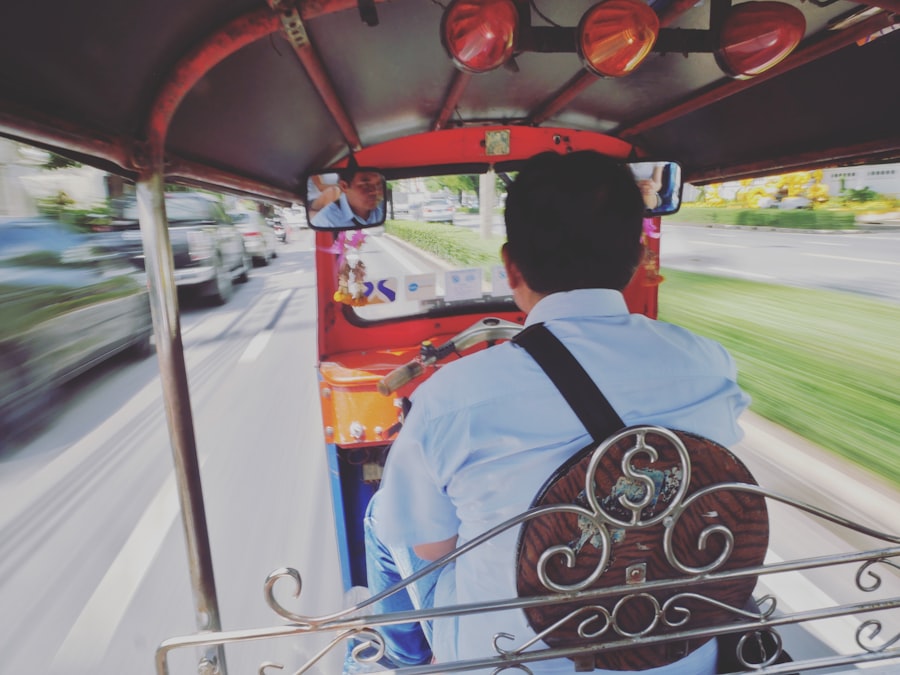
Navigating Bangkok’s transportation system can be overwhelming for first-time visitors, but with a little planning, it can be a convenient and efficient way to get around the city. The city offers a variety of transportation options, including taxis, tuk-tuks, buses, and the BTS Skytrain and MRT subway systems.
One of the most convenient ways to get around Bangkok is by using the BTS Skytrain and MRT subway systems. These modern and air-conditioned modes of transportation cover most of the city and are a great way to avoid traffic congestion. They are also relatively inexpensive, with fares starting at around 15 baht.
When taking a taxi or tuk-tuk in Bangkok, it is important to negotiate the fare before getting in. Taxis in Bangkok are required to use meters, but some drivers may try to negotiate a fixed price. It is best to insist on using the meter or find another taxi. Tuk-tuks, on the other hand, do not have meters and fares should be negotiated upfront.
When exploring popular tourist attractions in Bangkok, be aware of common scams and tourist traps. For example, some tuk-tuk drivers may offer to take you on a tour of the city at a very low price but then take you to shops where they receive a commission for bringing in customers. It is best to be cautious and do some research beforehand to avoid falling into these traps.
Saying Goodbye to Bangkok and Planning Your Next Visit
As your trip to Bangkok comes to an end, take some time to reflect on the highlights of your visit and start planning your next trip to this vibrant city. Whether it’s exploring the historical landmarks, indulging in delicious street food, or experiencing the bustling nightlife, Bangkok offers a wide range of experiences that will leave you wanting more.
When planning your next visit to Bangkok, consider exploring different neighborhoods and attractions that you may have missed on your first trip. The city is constantly evolving and there are always new places to discover. Additionally, consider visiting during different seasons to experience the city’s festivals and events.
In conclusion, Bangkok is a must-visit destination for anyone looking to immerse themselves in a vibrant and diverse culture. From its rich history and stunning architecture to its delicious cuisine and lively nightlife, the city offers something for everyone. So pack your bags, book your tickets, and get ready to experience the wonders of Bangkok.
If you’re planning a trip to Bangkok and want to make the most of your three days in this vibrant city, you’ll need some expert tips and advice. Check out this article on Nextep Funding that provides valuable insights on how to make your business stand out. Just like businesses, travelers can also benefit from being remarkable and standing out from the crowd. Whether it’s finding unique attractions, trying local cuisine, or immersing yourself in the culture, this article offers valuable advice for making your trip to Bangkok unforgettable. Read more here.
FAQs
What is Bangkok?
Bangkok is the capital city of Thailand, located in the central part of the country. It is known for its vibrant street life, ornate shrines, and bustling markets.
What are some popular tourist attractions in Bangkok?
Some popular tourist attractions in Bangkok include the Grand Palace, Wat Phra Kaew (Temple of the Emerald Buddha), Wat Arun (Temple of Dawn), Chatuchak Weekend Market, and Khao San Road.
What is the best time to visit Bangkok?
The best time to visit Bangkok is between November and February when the weather is cooler and drier. However, this is also peak tourist season, so expect larger crowds and higher prices.
What is the currency used in Bangkok?
The currency used in Bangkok is the Thai Baht (THB).
What is the main language spoken in Bangkok?
The main language spoken in Bangkok is Thai. However, many people in the tourist industry also speak English.
What is the transportation system like in Bangkok?
Bangkok has a variety of transportation options, including taxis, tuk-tuks, buses, and the BTS Skytrain and MRT subway systems. Traffic can be heavy, so it is recommended to plan ahead and allow extra time for travel.
What is the food like in Bangkok?
Bangkok is known for its delicious street food, which includes dishes such as pad thai, green curry, and mango sticky rice. There are also many restaurants serving a variety of international cuisines.