
Discovering the Magic of India: A Journey of Colors, Culture, and Contrasts
India is a country known for its incredible diversity and richness. From its vibrant festivals and celebrations to its diverse languages, customs, and
India is a country known for its incredible diversity and richness. From its vibrant festivals and celebrations to its diverse languages, customs, and beliefs, India offers a unique and captivating experience for those who explore its culture, history, and traditions. With a population of over 1.3 billion people, India is home to a multitude of ethnicities, religions, and languages, making it one of the most diverse countries in the world. This diversity is reflected in every aspect of Indian life, from its art and architecture to its cuisine and wildlife. Exploring India’s culture is not only a journey through its past, but also an opportunity to understand the present and appreciate the beauty of this incredible nation.
Key Takeaways
- India is a land of festivals and celebrations, with vibrant colors and traditions that reflect its rich cultural heritage.
- The diversity of languages, customs, and beliefs in India creates a cultural tapestry that is both fascinating and complex.
- India’s ancient wisdom and philosophy offer a spiritual heart that is deeply rooted in the land and its people.
- From snow-capped mountains to sun-drenched beaches, India’s landscapes offer a stunning contrast of natural beauty.
- India’s vibrant cities are a blend of modernity and tradition, offering a unique glimpse into urban life in the country.
The Colors of India: A Visual Journey Through the Land of Festivals and Celebrations
One of the most striking aspects of Indian culture is its vibrant festivals and celebrations. India is known for its love of color, and this is evident in the way festivals are celebrated throughout the country. From Holi, the festival of colors, to Diwali, the festival of lights, these celebrations are a visual feast for the senses. The use of bright colors in Indian festivals is not just for aesthetic purposes; it has deep cultural significance. Colors are believed to represent different emotions and energies, and by immersing oneself in these colors during festivals, one can experience a sense of joy, unity, and renewal.
Holi is perhaps the most famous festival in India, celebrated with great enthusiasm across the country. During Holi, people throw colored powders and water at each other, creating a kaleidoscope of colors that fills the streets. This festival marks the arrival of spring and symbolizes the victory of good over evil. Diwali, on the other hand, is a festival that celebrates the triumph of light over darkness. It is marked by lighting oil lamps called diyas, decorating homes with colorful rangoli designs, and bursting fireworks. These festivals not only bring people together, but also serve as a reminder of the rich cultural heritage of India.
The Cultural Tapestry of India: Exploring the Diversity of Languages, Customs, and Beliefs
India is a melting pot of cultures, with each region having its own distinct language, customs, and beliefs. The country is home to over 1,600 languages and dialects, making it one of the most linguistically diverse nations in the world. Hindi and English are the official languages of India, but there are many other regional languages spoken across the country, such as Bengali, Tamil, Telugu, and Marathi. Each language has its own unique script and pronunciation, reflecting the rich linguistic heritage of India.
In addition to its linguistic diversity, India is also known for its diverse customs and beliefs. Hinduism is the dominant religion in India, followed by Islam, Christianity, Sikhism, Buddhism, and Jainism. Each religion has its own set of customs and rituals that are deeply ingrained in Indian society. For example, Hindus celebrate various festivals throughout the year, such as Navratri, Durga Puja, and Ganesh Chaturthi. Muslims celebrate Eid-ul-Fitr and Eid-ul-Adha, while Christians celebrate Christmas and Easter. These festivals not only provide an opportunity for religious observance, but also serve as a means of cultural expression and community bonding.
The Spiritual Heart of India: Discovering the Ancient Wisdom and Philosophy of the Land
| Metrics | Data |
|---|---|
| Book Title | The Spiritual Heart of India: Discovering the Ancient Wisdom and Philosophy of the Land |
| Author | Satish Gupta |
| Publication Date | October 1, 2019 |
| Pages | 240 |
| ISBN-10 | 1644110565 |
| ISBN-13 | 978-1644110563 |
| Publisher | Destiny Books |
| Language | English |
| Subjects | Indian Philosophy, Hinduism, Spirituality, Self-Help |
India has a rich spiritual heritage that dates back thousands of years. It is the birthplace of several major religions, including Hinduism, Buddhism, Jainism, and Sikhism. The spiritual practices and beliefs of these religions have had a profound impact on Indian culture and society.
Hinduism is the oldest religion in India and is characterized by a belief in karma, dharma, and moksha. Karma refers to the law of cause and effect, dharma refers to one’s duty or moral obligations, and moksha refers to liberation from the cycle of birth and death. Hinduism also encompasses a wide range of gods and goddesses, each representing different aspects of the divine.
Buddhism, founded by Gautama Buddha in the 6th century BCE, emphasizes the importance of meditation and mindfulness in achieving enlightenment. Buddhism teaches that suffering is a part of life, but through the practice of the Eightfold Path, one can attain liberation from suffering.
Jainism, founded by Mahavira in the 6th century BCE, is based on the principles of non-violence, truthfulness, and non-attachment. Jains believe in the concept of ahimsa, or non-violence towards all living beings.
Sikhism, founded by Guru Nanak in the 15th century CE, emphasizes the importance of equality, service to others, and devotion to God. Sikhs believe in the concept of ik onkar, or the belief in one God.
The spiritual practices and beliefs of these religions have shaped Indian culture in profound ways. They have influenced art, music, literature, and architecture, and continue to be an integral part of Indian society.
The Contrasting Landscapes of India: From the Snow-Capped Mountains to the Sun-Drenched Beaches
India is a country of diverse landscapes, ranging from snow-capped mountains to sun-drenched beaches. The country is home to the majestic Himalayas in the north, which are not only a natural barrier between India and its neighboring countries, but also a source of awe-inspiring beauty. The Himalayas are home to some of the highest peaks in the world, including Mount Everest and Kanchenjunga. They are also home to several national parks and wildlife sanctuaries, making them a haven for nature lovers and adventure enthusiasts.
In contrast to the mountains, India is also blessed with a long coastline that stretches over 7,500 kilometers. The beaches of Goa, Kerala, and Andaman and Nicobar Islands are famous for their pristine beauty and turquoise waters. These beaches offer a tranquil escape from the hustle and bustle of city life, and are popular destinations for relaxation, water sports, and sunbathing.
India is also home to several deserts, such as the Thar Desert in Rajasthan. The Thar Desert is known for its vast expanse of sand dunes, camel safaris, and colorful festivals. It is a place where one can experience the stark beauty of the desert landscape and witness the resilience of life in extreme conditions.
The Vibrant Cities of India: Exploring the Modernity and Tradition that Coexist in Urban Life
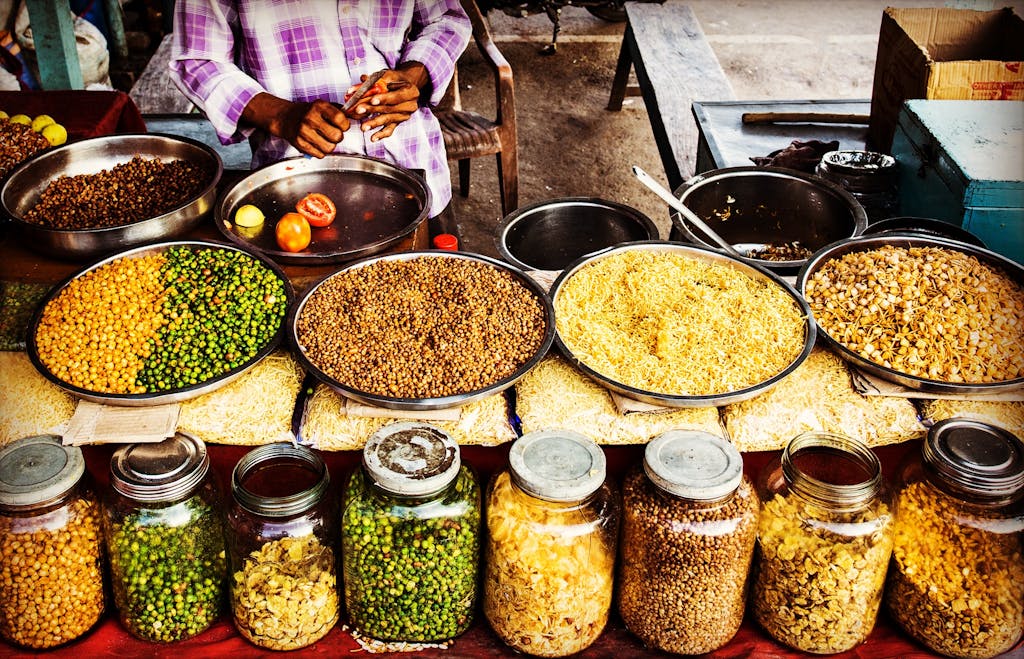
India’s cities are a reflection of the country’s rich cultural heritage and its rapid modernization. From the bustling streets of Delhi to the historic charm of Jaipur, each city has its own unique character and charm.
Delhi, the capital city of India, is a vibrant metropolis that seamlessly blends ancient history with modernity. It is home to several UNESCO World Heritage Sites, such as the Red Fort, Qutub Minar, and Humayun’s Tomb. The city is also known for its bustling markets, such as Chandni Chowk and Connaught Place, where one can experience the sights, sounds, and flavors of India.
Mumbai, on the other hand, is India’s financial capital and a melting pot of cultures. It is known for its iconic landmarks such as the Gateway of India and Marine Drive. Mumbai is also home to Bollywood, the largest film industry in the world, which has had a significant influence on Indian culture.
Jaipur, the capital city of Rajasthan, is known as the “Pink City” due to its pink-colored buildings. It is famous for its magnificent palaces, such as the Hawa Mahal and the City Palace, as well as its bustling bazaars, where one can shop for traditional handicrafts and textiles.
These cities are a testament to the coexistence of tradition and modernity in India. While they embrace the conveniences of modern life, they also strive to preserve their cultural heritage and traditions.
The Culinary Delights of India: Discovering the Aromatic Spices and Flavors of Indian Cuisine
Indian cuisine is renowned for its rich flavors, aromatic spices, and diverse regional dishes. Each region of India has its own unique culinary traditions, influenced by factors such as climate, geography, and cultural practices.
Indian cuisine is characterized by its use of spices such as turmeric, cumin, coriander, cardamom, and cinnamon. These spices not only add flavor to dishes, but also have medicinal properties and health benefits. They are used in various forms, such as whole spices, ground spices, and spice blends known as masalas.
Some popular dishes in Indian cuisine include biryani, a fragrant rice dish cooked with meat or vegetables; butter chicken, a creamy tomato-based curry; dosa, a thin pancake made from fermented rice and lentil batter; and samosas, deep-fried pastries filled with spiced potatoes or meat.
Food plays an important role in Indian culture and is often associated with celebrations and festivals. It is a means of bringing people together and fostering a sense of community. Indian hospitality is known for its warmth and generosity, and guests are often treated to a feast of delicious dishes.
The Art and Architecture of India: A Journey Through the Rich Heritage of the Land
India has a rich artistic heritage that spans thousands of years. From ancient cave paintings to intricate temple carvings, Indian art is a reflection of the country’s cultural diversity and spiritual beliefs.
Indian art encompasses a wide range of forms, including painting, sculpture, pottery, textiles, and jewelry. Each region of India has its own unique artistic traditions, influenced by factors such as geography, climate, and historical events.
Indian architecture is also renowned for its beauty and intricacy. From the ancient rock-cut caves of Ajanta and Ellora to the majestic temples of Khajuraho and Hampi, Indian architecture showcases the skill and craftsmanship of its artisans. The use of intricate carvings, vibrant colors, and symmetrical designs is a hallmark of Indian architecture.
Preserving India’s artistic heritage is of utmost importance, as it not only provides a glimpse into the country’s past, but also serves as a source of inspiration for future generations. Efforts are being made to restore and conserve ancient monuments and artworks, ensuring that they continue to be appreciated for years to come.
The Wildlife of India: Exploring the Biodiversity and Conservation Efforts in the Country
India is home to a diverse range of wildlife, with several national parks and wildlife sanctuaries spread across the country. From the majestic Bengal tiger to the elusive snow leopard, India’s wildlife is a testament to its rich biodiversity.
Some of the most famous national parks in India include Ranthambore National Park in Rajasthan, Jim Corbett National Park in Uttarakhand, and Kaziranga National Park in Assam. These parks are not only home to a wide variety of animal species, but also play a crucial role in conservation efforts.
India has made significant strides in wildlife conservation in recent years. Efforts are being made to protect endangered species, such as the Indian rhinoceros and the Asiatic lion. Conservation programs are also focused on preserving habitats and promoting sustainable tourism practices.
The diverse wildlife of India is not only a source of pride for the country, but also a reminder of the importance of preserving our natural heritage. By protecting and conserving India’s wildlife, we can ensure that future generations can continue to enjoy the beauty and wonder of these incredible creatures.
The Textile Traditions of India: A Journey Through the Handloom and Weaving Techniques of the Land
India has a rich textile heritage that dates back thousands of years. The country is known for its intricate handloom and weaving techniques, which produce some of the most beautiful fabrics in the world.
Each region of India has its own unique textile traditions, influenced by factors such as climate, geography, and cultural practices. Some famous textiles include Banarasi silk from Varanasi, Chanderi silk from Madhya Pradesh, and Kanjeevaram silk from Tamil Nadu. These fabrics are known for their vibrant colors, intricate designs, and luxurious feel.
Handloom weaving is an important part of Indian culture and provides employment to millions of people across the country. It is a skill that has been passed down through generations, with artisans using traditional techniques to create exquisite textiles.
Preserving India’s textile traditions is crucial, as they not only provide livelihoods for artisans, but also showcase the country’s rich cultural heritage. Efforts are being made to promote handloom products and support sustainable practices in the textile industry.
The People of India: Understanding the Warmth, Hospitality, and Resilience of the Indian Spirit
India’s greatest asset is its people. With a population of over 1.3 billion people, India is a melting pot of cultures, languages, and traditions. The warmth, hospitality, and resilience of the Indian spirit are evident in every interaction with its people.
Indian society is characterized by strong family ties and a sense of community. Family plays a central role in Indian culture, with multi-generational households being common. Respect for elders and care for the younger generation are deeply ingrained values in Indian society.
Hospitality is another important aspect of Indian culture. Guests are treated with utmost respect and are often welcomed with open arms. It is not uncommon for strangers to be invited into homes for a meal or a cup of tea.
The resilience of the Indian spirit is evident in the face of adversity. Despite facing numerous challenges, such as poverty, inequality, and natural disasters, the people of India continue to persevere and find joy in the simple pleasures of life.
Understanding and appreciating the people of India is crucial in order to truly experience the richness of its culture. By immersing oneself in the warmth and hospitality of the Indian people, one can gain a deeper understanding of their values, traditions, and way of life.
India is a country that offers a wealth of cultural, historical, and traditional experiences. From its vibrant festivals and celebrations to its diverse languages, customs, and beliefs, India is a land of incredible diversity and richness. Exploring India’s culture is not only a journey through its past, but also an opportunity to understand the present and appreciate the beauty of this incredible nation.
By delving into the colors, cultural tapestry, spirituality, landscapes, cities, cuisine, art and architecture, wildlife, textile traditions, and people of India, one can gain a deeper appreciation for the country’s diversity and richness. Each aspect of Indian culture offers a unique perspective on the country’s heritage and provides an opportunity for exploration and understanding. The vibrant colors found in Indian clothing, festivals, and artwork reflect the country’s lively spirit and celebration of life. The cultural tapestry of India is woven with a multitude of languages, religions, and traditions, creating a mosaic of identities that coexist harmoniously. The spirituality of India is deeply rooted in ancient practices such as yoga and meditation, offering a path to inner peace and self-discovery.
The diverse landscapes, from the majestic Himalayas to the serene backwaters of Kerala, showcase the natural beauty that India has to offer. The bustling cities, such as Mumbai and Delhi, are a testament to India’s rapid modernization and economic growth. Indian cuisine is renowned for its bold flavors and aromatic spices, reflecting the country’s rich culinary heritage. The art and architecture of India, from the intricate carvings of temples to the grandeur of Mughal palaces, tell stories of the country’s history and artistic prowess. The wildlife sanctuaries and national parks provide a glimpse into India’s incredible biodiversity, with iconic species such as tigers, elephants, and peacocks calling these habitats home. The textile traditions of India are renowned worldwide for their intricate designs and craftsmanship, showcasing the skill and creativity of Indian artisans. Lastly, the people of India are warm, welcoming, and proud of their heritage, making any visit to the country an opportunity for cultural exchange and connection. Overall, exploring these various aspects of Indian culture allows one to truly appreciate the depth and richness of this incredible country.
Quotes:
India is the cradle of the human race, the birthplace of human speech, the mother of history, the grandmother of legend, and the great-grandmother of tradition. – Mark Twain
India is a vast country, and people from different regions have their own unique culture and traditions. It’s a place where you can experience diversity in every aspect of life. – Priyanka Chopra
India is not just a country, it’s a way of life. It’s a place where you can find spirituality, philosophy, and ancient wisdom that can transform your life. – Deepak Chopra
India is a land of contrasts. It’s a place where you can find extreme poverty and wealth, chaos and order, tradition and modernity, all coexisting together. – Ratan Tata
India is a country that will leave you spellbound. From the majestic Himalayas to the vibrant cities, from the golden deserts to the tropical beaches, it has something for everyone. – Narendra Modi