
Discovering the Best of Slovenia: A 7-Day Itinerary for Nature Lovers and Culture Enthusiasts
Nestled in the heart of Europe, Slovenia is a small but captivating country that often gets overlooked by travelers. With its stunning natural landscapes,
Nestled in the heart of Europe, Slovenia is a small but captivating country that often gets overlooked by travelers. With its stunning natural landscapes, rich history, and vibrant cities, Slovenia is truly a hidden gem waiting to be discovered. Located between Italy, Austria, Hungary, and Croatia, Slovenia has a diverse cultural heritage influenced by its neighboring countries. Its history dates back to the Roman Empire and has seen various rulers throughout the centuries.
There are many reasons why Slovenia is a great travel destination. Firstly, its compact size makes it easy to explore in a short amount of time. Within just a few hours, you can go from the charming capital city of Ljubljana to the breathtaking Julian Alps or the picturesque coastal towns. Secondly, Slovenia offers a wide range of activities for all types of travelers. Whether you’re an outdoor enthusiast looking for adventure or a history buff interested in exploring ancient castles and towns, Slovenia has something for everyone. Lastly, Slovenia is known for its warm hospitality and friendly locals who are always willing to help visitors.
Key Takeaways
- Slovenia is a hidden gem in Europe with natural wonders, historical towns, and premier wine regions.
- Ljubljana, the vibrant capital, is a must-visit destination with its charming old town and lively atmosphere.
- Lake Bled and Vintgar Gorge offer breathtaking natural scenery and outdoor activities like hiking and swimming.
- Triglav National Park is Slovenia’s largest protected area and a paradise for hikers and nature lovers.
- Piran, a picturesque coastal town, is a perfect destination for a relaxing day by the sea and exploring the local culture.
Day 1: Exploring Ljubljana, Slovenia’s Vibrant Capital
Ljubljana, the capital city of Slovenia, is a vibrant and charming city that should not be missed on any visit to the country. The city’s old town is a pedestrian-only zone filled with cobblestone streets, colorful buildings, and lively cafes. One of the highlights of Ljubljana’s old town is the Ljubljana Castle, which sits atop a hill overlooking the city. Visitors can take a funicular or hike up to the castle to enjoy panoramic views of Ljubljana.
Another must-visit attraction in Ljubljana is the Triple Bridge, which connects the old town with the modern part of the city. Designed by renowned architect Jože Plečnik, the Triple Bridge is a symbol of Ljubljana and a popular spot for locals and tourists alike. Strolling along the banks of the Ljubljanica River, visitors can also admire the beautiful architecture and stop at one of the many riverside cafes for a cup of coffee or a glass of local wine.
When it comes to food and drinks, Ljubljana has a thriving culinary scene. The city is known for its farm-to-table cuisine, with many restaurants sourcing their ingredients from local farmers and producers. Visitors can indulge in traditional Slovenian dishes such as potica (a rolled pastry filled with various fillings) or štruklji (rolled dumplings). For drinks, be sure to try some of Slovenia’s excellent wines or visit one of the craft breweries that have popped up in recent years.
Day 2: Discovering the Natural Wonders of Lake Bled and Vintgar Gorge
No trip to Slovenia would be complete without a visit to Lake Bled, one of the country’s most iconic destinations. Located in the Julian Alps, Lake Bled is known for its stunning scenery, crystal-clear waters, and a picturesque island with a church in the middle. Visitors can take a leisurely stroll around the lake or rent a rowboat to reach the island. For those seeking adventure, there are also hiking trails that offer panoramic views of the lake and surrounding mountains.
Just a short drive from Lake Bled is Vintgar Gorge, a natural wonder that should not be missed. The gorge is carved by the Radovna River and features wooden walkways that allow visitors to explore its turquoise waters and towering cliffs. The trail through Vintgar Gorge is about 1.6 kilometers long and takes you past waterfalls, rapids, and pools. It’s a truly magical experience that will leave you in awe of Slovenia’s natural beauty.
Day 3: Hiking in Triglav National Park, Slovenia’s Largest Protected Area
| Distance | Duration | Elevation Gain | Difficulty |
|---|---|---|---|
| 12 km | 6 hours | 900 m | Moderate |
| Starting Point | Ending Point | Trail Type | Best Time to Hike |
| Krma Valley | Triglav Lakes Valley | Loop | June to September |
Triglav National Park is Slovenia’s largest protected area and a paradise for outdoor enthusiasts. Named after the country’s highest peak, Mount Triglav, the park is home to stunning alpine landscapes, crystal-clear lakes, and diverse flora and fauna. There are numerous hiking trails in the park, ranging from easy walks to challenging multi-day treks.
One of the most popular spots in Triglav National Park is the Julian Alps, a mountain range that stretches across Slovenia and into neighboring Italy. The Julian Alps offer breathtaking views and are a haven for hikers, climbers, and nature lovers. Another must-visit destination in the park is Lake Bohinj, the largest permanent lake in Slovenia. Surrounded by mountains and forests, Lake Bohinj is a peaceful retreat where visitors can swim, kayak, or simply relax on its shores.
When hiking in Triglav National Park, it’s important to be prepared and follow safety guidelines. Make sure to wear appropriate footwear and clothing, bring plenty of water and snacks, and check the weather conditions before setting out. It’s also advisable to hire a local guide who can provide valuable information about the trails and ensure your safety.
Day 4: Visiting the Picturesque Coastal Town of Piran
Located on the Adriatic Sea, Piran is a charming coastal town that offers a glimpse into Slovenia’s rich history and culture. The town’s narrow streets are lined with colorful buildings, Venetian-style architecture, and charming squares. One of the must-see attractions in Piran is Tartini Square, named after the famous violinist Giuseppe Tartini who was born in the town. The square is surrounded by beautiful buildings and is a great place to relax and soak up the atmosphere.
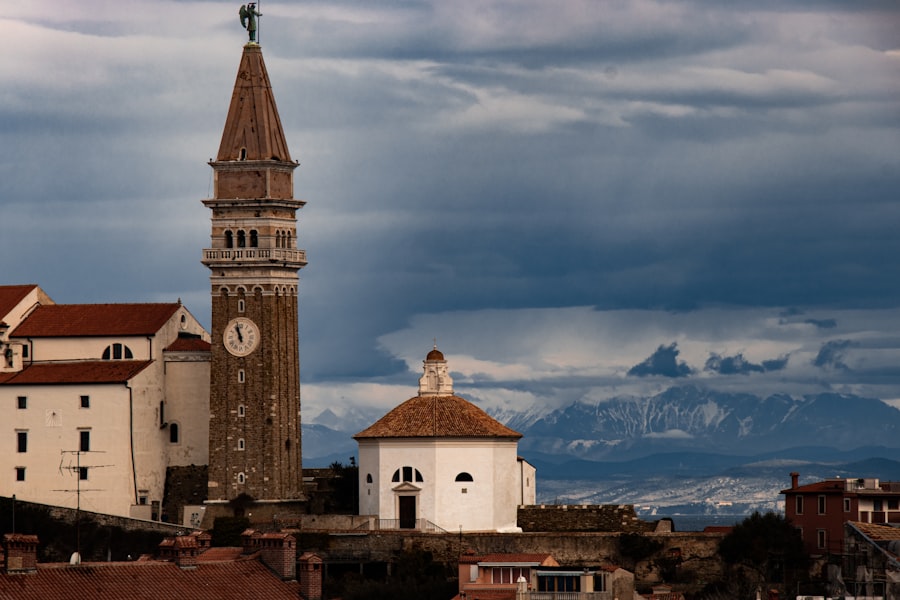
Another highlight of Piran is St. George’s Church, which sits atop a hill overlooking the town. Visitors can climb the bell tower for panoramic views of Piran and the surrounding coastline. The church itself is also worth a visit, with its beautiful frescoes and ornate interior.
Piran is known for its excellent seafood, and there are many restaurants in the town that serve fresh fish and seafood dishes. Be sure to try some of the local specialties such as scampi na buzaro (scampi cooked in a tomato and garlic sauce) or brancin (sea bass) prepared in various ways. Pair your meal with a glass of local wine or a refreshing cocktail and enjoy the stunning views of the Adriatic Sea.
Day 5: Wine Tasting in the Vipava Valley, Slovenia’s Premier Wine Region
Slovenia may not be as well-known as its neighboring countries when it comes to wine production, but it has a long history of winemaking and produces some excellent wines. One of the best regions to explore Slovenia’s wine scene is the Vipava Valley, located in the western part of the country. The valley is known for its diverse microclimates, which allow for the cultivation of a wide variety of grape varieties.
There are many wineries in the Vipava Valley that offer wine tasting experiences and tours. Visitors can learn about the winemaking process, sample different wines, and even meet the winemakers themselves. Some wineries also offer accommodation, so you can spend a few days exploring the vineyards and enjoying the tranquility of the valley.
In addition to wine, the Vipava Valley is also known for its delicious local cuisine. The region is famous for its prosciutto, which is air-dried and aged in special cellars. Visitors can try this delicacy at one of the local restaurants or visit a prosciutto producer to learn more about the traditional production methods.
Day 6: Exploring the Historical Towns of Ptuj and Maribor in Eastern Slovenia
Eastern Slovenia is home to two of the country’s most historical towns, Ptuj and Maribor. Ptuj is the oldest town in Slovenia and has a rich history dating back to Roman times. The town is known for its well-preserved medieval architecture, including the imposing Ptuj Castle, which sits on a hill overlooking the town. Visitors can explore the castle’s museum and enjoy panoramic views of Ptuj and the surrounding countryside.
Maribor, on the other hand, is Slovenia’s second-largest city and a cultural hub. The city’s Old Vine, which is over 400 years old, is one of Maribor’s most famous attractions. Visitors can learn about the vine’s history and taste its wine at the Old Vine House. Maribor is also home to numerous museums, galleries, and theaters, making it a great destination for art and culture lovers.
When it comes to food and drinks, both Ptuj and Maribor offer a wide range of options. Visitors can sample traditional Slovenian dishes such as štruklji (rolled dumplings) or kranjska klobasa (Carniolan sausage) at one of the local restaurants. For drinks, be sure to try some of the local wines from the Štajerska wine region, which surrounds Maribor.
Day 7: Relaxing in the Thermal Springs of Terme Olimia
After a week of exploring Slovenia’s cities, natural wonders, and historical towns, it’s time to relax and unwind in one of the country’s thermal springs. Terme Olimia is one of Slovenia’s premier wellness resorts, located in the eastern part of the country. The resort offers a wide range of thermal pools, saunas, and wellness facilities where visitors can rejuvenate their body and mind.
Terme Olimia is known for its healing thermal waters, which are rich in minerals and have numerous health benefits. Visitors can soak in the warm pools, enjoy a massage or spa treatment, or simply relax in the peaceful surroundings. The resort also offers various activities such as yoga classes, hiking trails, and bike rentals for those who prefer to stay active.
When it comes to dining, Terme Olimia has several restaurants that serve healthy and delicious cuisine. Many of the dishes are made with locally sourced ingredients and are designed to promote wellness and vitality. Visitors can also try some of the local wines from the nearby Štajerska wine region, which pairs perfectly with the healthy cuisine.
Practical Tips for Traveling in Slovenia
Before embarking on your journey to Slovenia, it’s important to be prepared and informed. Here are some practical tips to help you make the most of your trip:
Transportation: Slovenia has a well-developed transportation system, with trains and buses connecting major cities and towns. The country is also compact enough to explore by car, and there are several car rental companies available. If you’re planning on visiting multiple destinations, consider purchasing a Slovenia Travel Card, which offers unlimited travel on public transportation.
Currency: The official currency of Slovenia is the Euro (EUR). Credit cards are widely accepted in hotels, restaurants, and shops, but it’s always a good idea to carry some cash for smaller establishments or when traveling to more remote areas.
Language: The official language of Slovenia is Slovene, but English is widely spoken in tourist areas. It’s always helpful to learn a few basic phrases in Slovene, such as hello (zdravo), thank you (hvala), and goodbye (nasvidenje).
Budget-friendly travel: Slovenia is generally an affordable destination compared to its neighboring countries. To save money, consider staying in guesthouses or apartments instead of hotels, eating at local restaurants, and using public transportation instead of taxis.
Safety precautions: Slovenia is a safe country to travel to, but it’s always important to take basic safety precautions. Be aware of your surroundings, keep your belongings secure, and follow any local regulations or guidelines.
Emergency contacts: In case of an emergency, dial 112 for police, fire, or medical assistance.
Why Slovenia Should Be on Your Travel Bucket List
In conclusion, Slovenia is a unique and underrated travel destination that offers a wide range of experiences for all types of travelers. From the vibrant capital city of Ljubljana to the stunning natural landscapes of Lake Bled and Triglav National Park, there is something for everyone in this hidden gem of Europe. Whether you’re interested in history and culture, outdoor adventures, or simply relaxing in thermal springs, Slovenia has it all.
With its warm hospitality, friendly locals, and diverse culinary scene, Slovenia is a country that will leave a lasting impression on any visitor. So why not add Slovenia to your travel bucket list and experience its beauty and culture for yourself? You won’t be disappointed.
If you’re planning a trip to Slovenia, you’ll definitely want to check out this article on “Why Startups Fail: 11 Mistakes Founders Keep Making.” While it may not seem directly related to travel, understanding the challenges and pitfalls that entrepreneurs face can provide valuable insights for any endeavor, including planning an itinerary. So, before you embark on your Slovenian adventure, take a moment to explore the lessons learned from startup failures. Who knows, it might just inspire you to approach your travel plans with a fresh perspective. Read more here.
FAQs
What is Slovenia?
Slovenia is a small country located in central Europe, bordered by Italy to the west, Austria to the north, Hungary to the northeast, and Croatia to the south and southeast.
What are some popular tourist destinations in Slovenia?
Some popular tourist destinations in Slovenia include Lake Bled, the capital city of Ljubljana, the Postojna Cave system, the coastal town of Piran, and the Julian Alps.
What is the best time to visit Slovenia?
The best time to visit Slovenia is during the summer months of June to September, when the weather is warm and sunny. However, the winter months of December to February are also popular for skiing and winter sports.
What is the currency used in Slovenia?
The currency used in Slovenia is the Euro (EUR).
What is the official language of Slovenia?
The official language of Slovenia is Slovene, but many people also speak English and other European languages.
Do I need a visa to visit Slovenia?
If you are a citizen of the European Union or the United States, you do not need a visa to visit Slovenia for up to 90 days. However, if you are from another country, you may need a visa. Check with your local embassy or consulate for more information.
What is the transportation system like in Slovenia?
Slovenia has a well-developed transportation system, including buses, trains, and a highway network. There are also several airports throughout the country, including the main airport in Ljubljana.