
Discovering the Beauty of Slovenia: From Ljubljana to the Serene Lake Bled
Nestled in the heart of Europe, Slovenia is a small but captivating country that often goes unnoticed by travelers. With its stunning natural landscapes, rich
Nestled in the heart of Europe, Slovenia is a small but captivating country that often goes unnoticed by travelers. With its stunning natural landscapes, rich history, and warm hospitality, Slovenia is truly a hidden gem waiting to be discovered. Located between Italy, Austria, Hungary, and Croatia, Slovenia offers a unique blend of cultures and influences that make it a must-visit destination.
Slovenia has a fascinating history that dates back to ancient times. It was once part of the Roman Empire and later became part of the Austro-Hungarian Empire. After World War I, Slovenia joined the Kingdom of Serbs, Croats, and Slovenes, which later became Yugoslavia. In 1991, Slovenia declared independence and has since become a thriving European nation.
There are many reasons why Slovenia should be on your travel bucket list. Firstly, its natural beauty is unparalleled. From the stunning Julian Alps to the crystal-clear waters of Lake Bled, Slovenia offers breathtaking landscapes that will leave you in awe. Secondly, Slovenia is known for its warm hospitality and friendly locals. Whether you’re exploring the charming towns or hiking through the mountains, you’ll always be greeted with a smile. Lastly, Slovenia offers a unique blend of cultures and influences. With its proximity to Italy and Austria, you’ll find a mix of Mediterranean and Central European influences in the cuisine, architecture, and way of life.
Key Takeaways
- Slovenia is a hidden gem in Europe with stunning natural beauty and rich history.
- Ljubljana, the capital city, offers a unique blend of culture and nature.
- Slovenian cuisine is a must-try for foodies, with a variety of delicious dishes.
- The Julian Alps offer breathtaking hiking and trekking opportunities.
- Lake Bled is a serene and picturesque destination with plenty of activities to enjoy.
Exploring the Capital City of Ljubljana: A Blend of Culture and Nature
Ljubljana, the capital city of Slovenia, is a perfect example of the country’s unique blend of urban and natural landscapes. Situated on the banks of the Ljubljanica River, Ljubljana offers a picturesque setting with its charming bridges, colorful buildings, and lush greenery.
One of the top attractions in Ljubljana is the Ljubljana Castle. Perched on a hill overlooking the city, the castle offers panoramic views of Ljubljana and the surrounding area. You can reach the castle by taking a funicular or by hiking up the hill. Once inside, you can explore the castle’s various exhibits, including a museum showcasing the history of Ljubljana.
Another must-visit attraction in Ljubljana is Tivoli Park. This expansive park is a favorite among locals and visitors alike, offering a peaceful escape from the bustling city center. Tivoli Park features beautifully landscaped gardens, walking paths, and even a small lake. It’s the perfect place to relax, have a picnic, or go for a leisurely stroll.
Discovering the Rich History and Architecture of Ljubljana
Ljubljana has a rich history that has greatly influenced its architecture. The city’s architectural landmarks showcase various styles, from medieval to Art Nouveau.
One of the most iconic landmarks in Ljubljana is the Triple Bridge. Designed by renowned architect Jože Plečnik, the Triple Bridge consists of three interconnected bridges that span the Ljubljanica River. It is one of the city’s most photographed spots and a popular meeting point for locals and tourists alike.
Another architectural gem in Ljubljana is the National Museum of Slovenia. Housed in a stunning neo-Renaissance building, the museum showcases Slovenia’s rich cultural heritage through its extensive collection of artifacts and artworks. From prehistoric artifacts to medieval manuscripts, the museum offers a fascinating journey through Slovenia’s history.
Indulging in Slovenian Cuisine: A Gastronomic Adventure
| Course | Dish | Ingredients | Calories |
|---|---|---|---|
| Appetizer | Potato Salad | Potatoes, onions, vinegar, oil, salt, pepper | 150 |
| Main Course | Carniolan Sausage | Pork, garlic, salt, pepper, allspice, nutmeg | 300 |
| Side Dish | Buckwheat Porridge | Buckwheat, water, salt | 120 |
| Dessert | Potica | Flour, yeast, sugar, milk, eggs, walnuts, butter | 250 |
Slovenian cuisine is a true reflection of the country’s diverse cultural influences. With its proximity to Italy, Austria, and Hungary, Slovenian cuisine combines elements from these neighboring countries while adding its own unique flavors.
One of the most famous Slovenian dishes is potica, a traditional rolled pastry filled with various sweet or savory fillings. It is often served during special occasions and holidays, such as Christmas and Easter. Another must-try dish is štruklji, a rolled dumpling filled with ingredients such as cottage cheese, walnuts, or tarragon. It is typically served as a side dish or a dessert.
In addition to these traditional dishes, Slovenia is also known for its excellent wines and honey production. The country’s diverse climate and fertile soil make it an ideal location for vineyards, producing high-quality wines. Slovenian honey is also highly regarded for its unique flavors and health benefits.
Hiking and Trekking in the Stunning Julian Alps
For outdoor enthusiasts, the Julian Alps in Slovenia offer a paradise of hiking and trekking trails. With its rugged peaks, crystal-clear lakes, and lush valleys, the Julian Alps are a haven for nature lovers.
One of the top hiking destinations in the Julian Alps is Triglav National Park. Named after Slovenia’s highest peak, Triglav National Park covers an area of over 800 square kilometers and offers a wide range of hiking trails for all levels of experience. Whether you’re a beginner or an experienced hiker, you’ll find a trail that suits your preferences.
Some of the most popular hikes in Triglav National Park include the Seven Lakes Valley hike, which takes you through a picturesque valley dotted with glacial lakes, and the Vršič Pass hike, which offers stunning views of the surrounding mountains. For those seeking a more challenging adventure, climbing Mount Triglav itself is a must-do.
The Serene Beauty of Lake Bled: A Must-Visit Destination
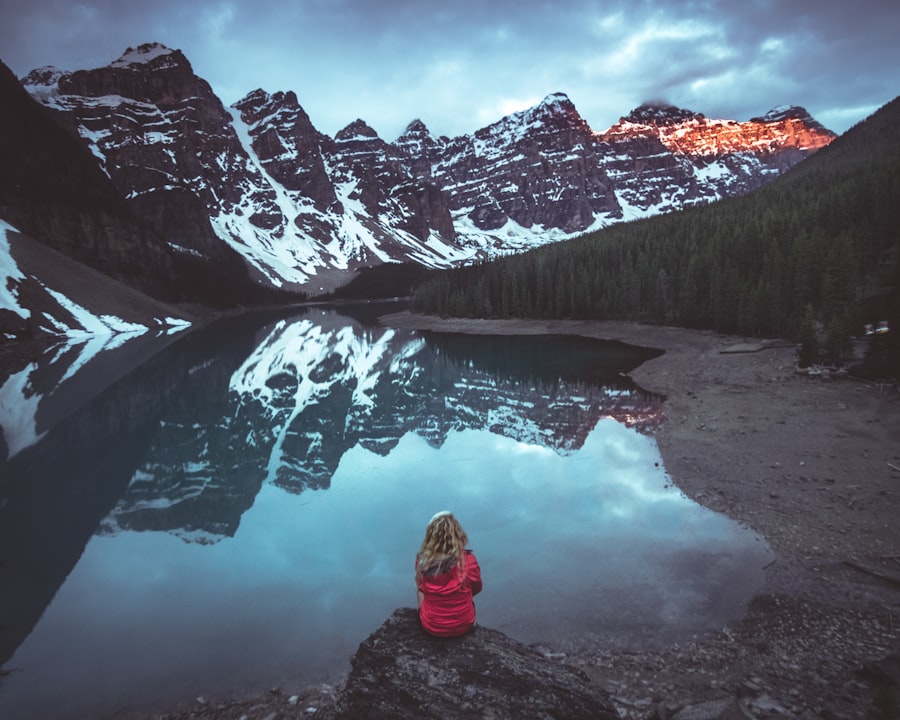
No visit to Slovenia would be complete without a trip to Lake Bled. Known for its picturesque scenery and crystal-clear waters, Lake Bled is often referred to as one of the most beautiful lakes in the world.
Surrounded by the Julian Alps, Lake Bled offers a serene and tranquil atmosphere that is perfect for relaxation and rejuvenation. The lake is home to a small island, which is home to the iconic Bled Castle. You can reach the island by taking a traditional wooden boat called a pletna, which is operated by local rowers.
Activities to Enjoy at Lake Bled: Rowing, Swimming, and More
Lake Bled offers a wide range of activities for visitors to enjoy. One of the most popular activities is rowing. You can rent a rowboat or a paddleboard and explore the lake at your own pace. For those seeking a more leisurely experience, you can take a boat tour around the lake and admire the stunning scenery.
Swimming in Lake Bled is also a popular activity, especially during the summer months when the water temperature is pleasant. There are designated swimming areas where you can take a dip and cool off from the summer heat.
In addition to rowing and swimming, Lake Bled also offers hiking trails that surround the lake. You can take a leisurely stroll along the lakeshore or embark on a more challenging hike up to one of the viewpoints for panoramic views of Lake Bled and its surroundings.
Exploring the Surrounding Towns and Villages: A Journey Back in Time
The towns and villages surrounding Lake Bled offer a glimpse into Slovenia’s rich history and culture. From medieval castles to charming cobblestone streets, these towns are like stepping back in time.
One of the most charming towns near Lake Bled is Škofja Loka. This medieval town is known for its well-preserved old town center, which features narrow streets, colorful buildings, and a beautiful castle. Škofja Loka is also home to the Škofja Loka Passion Play, a centuries-old tradition that takes place every six years.
Another town worth visiting is Radovljica, which is known for its well-preserved medieval architecture. The town’s old town center is a maze of narrow streets and charming squares, with colorful buildings and traditional Slovenian houses. Radovljica is also famous for its gingerbread making tradition, and you can visit the Gingerbread Museum to learn more about this sweet treat.
The Mystical Caves of Postojna: A Natural Wonder
Located in southwestern Slovenia, the Postojna Caves are a natural wonder that attracts visitors from all over the world. These limestone caves are known for their unique geological formations, including stalactites, stalagmites, and underground rivers.
The Postojna Caves offer various tours that allow visitors to explore the underground world. The most popular tour is the Classic Tour, which takes you on a train ride through the caves and includes a guided walk through the most impressive parts of the cave system. There are also more adventurous tours available, such as the Cave Trekking Tour, which allows you to explore parts of the cave that are not accessible on the Classic Tour.
Planning Your Trip to Slovenia: Tips and Recommendations
When planning your trip to Slovenia, there are a few things to keep in mind. Firstly, the best time to visit Slovenia is during the spring and summer months when the weather is pleasant and the landscapes are in full bloom. However, if you’re interested in winter sports or want to experience Slovenia’s Christmas markets, visiting during the winter months can also be a great option.
In terms of transportation, Slovenia has a well-developed public transportation system that makes it easy to get around. You can take trains or buses to reach different parts of the country, or you can rent a car if you prefer to have more flexibility.
When it comes to accommodations, Slovenia offers a wide range of options to suit every budget and preference. From luxury hotels to cozy guesthouses and eco-friendly lodges, you’ll find something that suits your needs. It’s recommended to book your accommodations in advance, especially during the peak tourist season.
In terms of dining, Slovenia offers a diverse culinary scene that caters to all tastes. From traditional Slovenian cuisine to international dishes, you’ll find a wide range of options to choose from. It’s also worth trying some of the local wines and craft beers, as Slovenia is known for its excellent beverages.
In conclusion, Slovenia is a hidden gem in Europe that offers a unique blend of natural beauty, rich history, and warm hospitality. Whether you’re exploring the charming streets of Ljubljana, hiking in the Julian Alps, or relaxing by the crystal-clear waters of Lake Bled, Slovenia has something for everyone. So why not add this beautiful country to your travel bucket list and discover all that it has to offer?
If you’re planning a trip from Ljubljana to Lake Bled, you might also be interested in reading this article on “20 Business Blogs That Will Blow Your Mind.” It’s always good to stay informed and inspired, even while traveling. Check out the article here for some valuable insights and ideas to enhance your entrepreneurial journey.
FAQs
What is the distance between Ljubljana and Lake Bled?
The distance between Ljubljana and Lake Bled is approximately 55 kilometers.
What is the best way to travel from Ljubljana to Lake Bled?
The best way to travel from Ljubljana to Lake Bled is by bus or by car. There are also train connections available, but they are less frequent.
How long does it take to travel from Ljubljana to Lake Bled?
It takes approximately 1 hour to travel from Ljubljana to Lake Bled by bus or car.
What are the top attractions to see in Lake Bled?
The top attractions to see in Lake Bled include Bled Castle, Lake Bled Island, Vintgar Gorge, and the Julian Alps.
What is the best time of year to visit Lake Bled?
The best time of year to visit Lake Bled is during the summer months of June to September when the weather is warm and sunny. However, the winter months offer a unique experience with snow-covered landscapes and winter sports activities.
Is Lake Bled suitable for swimming?
Yes, Lake Bled is suitable for swimming during the summer months when the water temperature is warm enough. There are also designated swimming areas and beaches around the lake.
What is the history of Lake Bled?
Lake Bled has a rich history dating back to the medieval times when Bled Castle was built. The lake was also a popular destination for the aristocracy during the 19th century. Today, it is a popular tourist destination known for its natural beauty and outdoor activities.