
Discovering Barcelona in Three Days: A Guide to the Best Sights, Sounds, and Tastes
Barcelona, the vibrant capital of Catalonia in Spain, is a city that has it all - stunning architecture, rich history, vibrant art and culture scene,
Barcelona, the vibrant capital of Catalonia in Spain, is a city that has it all – stunning architecture, rich history, vibrant art and culture scene, delicious cuisine, beautiful beaches, and a lively nightlife. It’s no wonder that Barcelona is a popular travel destination for people from all over the world. Whether you’re a history buff, an art enthusiast, a foodie, or simply looking to relax and soak up the sun, Barcelona has something to offer everyone.
While Barcelona has so much to see and do, a three-day trip is the perfect amount of time to explore the city and get a taste of its unique charm. With careful planning and prioritizing, you can experience the best of Barcelona in just three days. From iconic landmarks to hidden gems, this article will guide you through the perfect itinerary for a three-day getaway in Barcelona.
Key Takeaways
- Barcelona is the perfect destination for a three-day getaway, offering a mix of history, culture, cuisine, and natural beauty.
- Day 1 should be spent exploring Barcelona’s iconic architecture and historic landmarks, such as the Sagrada Familia and Park Guell.
- Day 2 is all about immersing yourself in the city’s vibrant art and culture scene, with visits to museums, galleries, and cultural institutions.
- On Day 3, indulge in Barcelona’s culinary delights and local cuisine, from tapas to paella.
- Don’t miss out on Barcelona’s top neighborhoods, including Gothic Quarter and El Born, and make sure to navigate the city’s public transportation system like a pro.
Day 1: Exploring Barcelona’s Iconic Architecture and Historic Landmarks
Barcelona is renowned for its architectural wonders, many of which were designed by the famous architect Antoni Gaudí. Start your first day in Barcelona by visiting two of Gaudí’s most famous works – the Sagrada Familia and Park Guell.
The Sagrada Familia is an awe-inspiring basilica that has been under construction since 1882 and is still not yet completed. Its unique design and intricate details make it one of the most iconic landmarks in Barcelona. Take your time exploring both the interior and exterior of the basilica to fully appreciate its beauty.
After visiting the Sagrada Familia, head to Park Guell, another masterpiece by Gaudí. This park is a UNESCO World Heritage Site and offers stunning views of the city. Take a leisurely stroll through the park’s colorful mosaic-covered pathways and admire the unique architecture that blends seamlessly with nature.
In the afternoon, make your way to the Gothic Quarter, one of Barcelona’s oldest neighborhoods. This historic area is filled with narrow, winding streets, medieval buildings, and charming squares. Explore the Gothic Cathedral, stroll along the famous La Rambla boulevard, and soak up the atmosphere of this vibrant neighborhood.
Day 2: Immerse Yourself in the City’s Vibrant Art and Culture Scene
Barcelona is a city that celebrates art and culture in every form. Start your second day by visiting some of Barcelona’s best museums, galleries, and cultural institutions.
The Picasso Museum is a must-visit for art lovers. It houses one of the most extensive collections of Picasso’s works, showcasing his evolution as an artist. From his early sketches to his famous Blue Period and Cubist paintings, you’ll get a comprehensive look into Picasso’s artistic journey.
Another must-visit museum is the Joan Miró Foundation. Located on Montjuïc Hill, this museum showcases the works of the famous Catalan artist Joan Miró. The museum not only houses a vast collection of Miró’s paintings, sculptures, and ceramics but also offers stunning views of Barcelona from its terrace.
In addition to museums, Barcelona is also known for its vibrant street art scene. Take a walk through the streets of El Raval or Poblenou to discover colorful murals and graffiti by local and international artists. You can also find public art installations throughout the city, such as the famous “Barcelona Head” sculpture by Roy Lichtenstein.
Day 3: Indulge in Barcelona’s Culinary Delights and Local Cuisine
| Activity | Location | Cost |
|---|---|---|
| Visit La Boqueria Market | La Rambla | Free |
| Taste Tapas at a Local Bar | Various locations | €10-€20 |
| Paella Cooking Class | Local cooking school | €50-€80 |
| Wine Tasting Tour | Penedès wine region | €60-€100 |
No trip to Barcelona is complete without indulging in its culinary delights. On your third day, immerse yourself in the local cuisine and explore the city’s foodie hotspots.
Start your day by visiting one of Barcelona’s local markets, such as Mercat de Sant Josep de la Boqueria or Mercat de Sant Antoni. These markets are a feast for the senses, with stalls selling fresh produce, seafood, meats, cheeses, and more. Take the opportunity to sample some local delicacies and pick up ingredients for a picnic later in the day.
For lunch, head to a traditional tapas bar and sample a variety of small plates. From patatas bravas to jamón ibérico, there’s something to satisfy every palate. Pair your tapas with a glass of local wine or a refreshing sangria for the ultimate culinary experience.
In the evening, treat yourself to a traditional paella dinner. Paella is a rice dish that originated in Valencia but has become popular throughout Spain. Barcelona has many restaurants that serve delicious paella, often made with fresh seafood or other local ingredients. Enjoy this hearty and flavorful dish while soaking in the atmosphere of the city.
A Guide to Barcelona’s Best Museums, Galleries, and Cultural Institutions
Barcelona is home to a wide range of museums, galleries, and cultural institutions that showcase its rich history and artistic heritage. Here is a detailed overview of some of Barcelona’s top cultural attractions:
1. Picasso Museum: As mentioned earlier, the Picasso Museum houses one of the most extensive collections of Picasso’s works. The museum is located in the Gothic Quarter and offers a fascinating insight into the artist’s life and artistic development.
2. Joan Miró Foundation: Located on Montjuïc Hill, the Joan Miró Foundation is dedicated to the works of the famous Catalan artist Joan Miró. The museum showcases a wide range of Miró’s paintings, sculptures, and ceramics.
3. National Art Museum of Catalonia (MNAC): Housed in the Palau Nacional, MNAC is home to an extensive collection of Catalan art from the Romanesque period to the 20th century. The museum offers panoramic views of Barcelona from its terrace.
4. Barcelona Museum of Contemporary Art (MACBA): Located in the Raval neighborhood, MACBA is dedicated to contemporary art. The museum’s collection includes works by both local and international artists.
5. Barcelona History Museum: This museum offers a journey through Barcelona’s history, from its Roman origins to the present day. It is located in the Gothic Quarter and includes archaeological sites, medieval buildings, and interactive exhibits.
6. CosmoCaixa: This science museum is a great option for families and science enthusiasts. It features interactive exhibits, a planetarium, and a rainforest ecosystem.
When visiting museums and galleries in Barcelona, it’s important to plan ahead and check their opening hours and any special exhibitions or events. Some museums offer discounted or free admission on certain days or times, so it’s worth doing some research to make the most of your visit.
The Top Neighborhoods to Visit in Barcelona, from Gothic Quarter to El Born
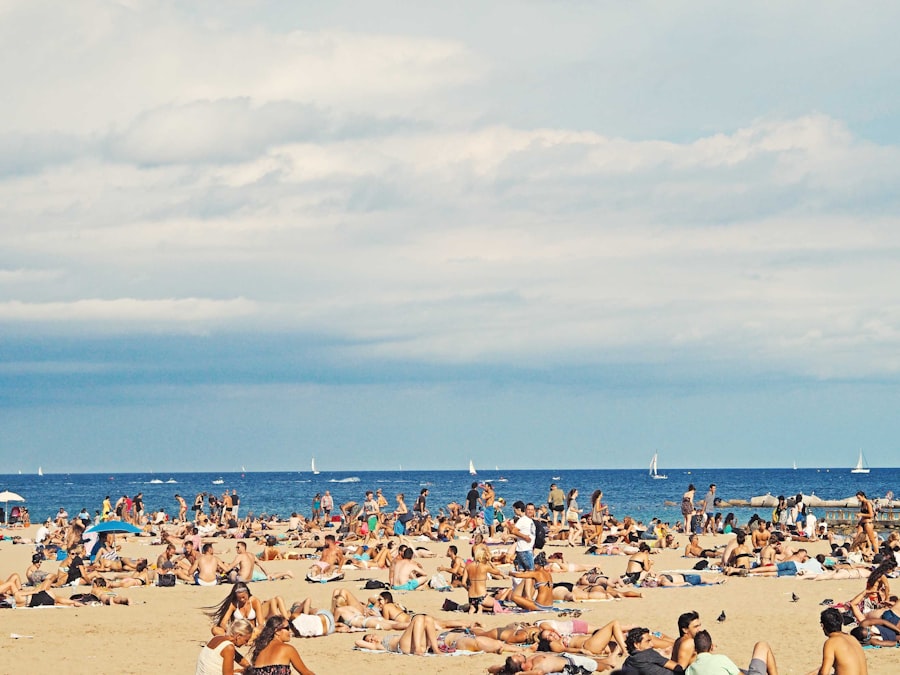
Barcelona is a city of diverse neighborhoods, each with its own unique character and attractions. Here are some of the top neighborhoods to visit during your three-day getaway:
1. Gothic Quarter (Barri Gòtic): Located in the heart of the city, the Gothic Quarter is one of Barcelona’s oldest neighborhoods. It is characterized by narrow, winding streets, medieval buildings, and charming squares. Highlights include the Gothic Cathedral, Plaça Reial, and the Picasso Museum.
2. El Born: Just next to the Gothic Quarter, El Born is known for its trendy boutiques, art galleries, and lively nightlife. It is also home to the beautiful Santa Maria del Mar church and the Picasso Museum.
3. Eixample: This neighborhood is famous for its grid-like layout and modernist architecture. Passeig de Gràcia is the main avenue in Eixample and is lined with luxury shops, restaurants, and iconic buildings such as Casa Batlló and Casa Milà.
4. Gràcia: Located just north of Eixample, Gràcia has a bohemian vibe and is known for its independent shops, cozy cafes, and lively squares. It is also home to Park Güell, one of Gaudí’s masterpieces.
5. El Raval: El Raval is a multicultural neighborhood that has undergone significant transformation in recent years. It is now known for its vibrant street art scene, trendy bars, and eclectic mix of shops and restaurants.
6. Barceloneta: This neighborhood is located right by the beach and is a popular destination for sunbathing, swimming, and enjoying seafood at beachfront restaurants. It also has a lively nightlife scene.
Each neighborhood in Barcelona offers something different, so take the time to explore and discover their unique charms. Whether you’re interested in history, shopping, art, or simply soaking up the local atmosphere, there’s a neighborhood in Barcelona that will cater to your interests.
How to Navigate Barcelona’s Public Transportation System Like a Pro
Barcelona has an efficient and extensive public transportation system that makes it easy to get around the city. Here are some tips for navigating Barcelona’s metro, bus, and tram systems:
1. Metro: The metro is the fastest and most convenient way to travel around Barcelona. The city has an extensive metro network with several lines that cover all major neighborhoods and attractions. You can purchase single tickets or multi-journey cards at metro stations or use a contactless payment card such as a T-10 card for multiple journeys.
2. Bus: Barcelona also has an extensive bus network that covers areas not served by the metro. Buses are a great option if you want to explore neighborhoods off the beaten path or if you prefer a more scenic route. You can purchase tickets on board or use a contactless payment card.
3. Tram: Barcelona has a tram system that serves certain neighborhoods and areas outside the city center. Trams are a great option if you want to explore areas such as Montjuïc or the beachfront.
4. Taxis: Taxis are readily available in Barcelona and can be hailed on the street or found at designated taxi ranks. Make sure to check that the taxi has a working meter and ask for a receipt at the end of your journey.
When using public transportation in Barcelona, it’s important to keep an eye on your belongings and be aware of your surroundings, especially in crowded areas. Avoid carrying large amounts of cash or valuable items and be cautious of pickpockets, particularly in touristy areas.
The Best Places to Shop for Souvenirs and Local Products in Barcelona
Barcelona is a shopper’s paradise, with a wide range of shopping districts, markets, and boutiques to explore. Here are some of the best places to shop for souvenirs and local products in Barcelona:
1. La Rambla: This famous boulevard is lined with shops selling everything from souvenirs to clothing and accessories. It’s a great place to pick up some Barcelona-themed gifts or mementos.
2. Passeig de Gràcia: This upscale avenue is home to luxury brands such as Chanel, Gucci, and Louis Vuitton. It’s the perfect place to indulge in some high-end shopping or simply admire the beautiful window displays.
3. El Born: This trendy neighborhood is known for its independent boutiques and designer shops. You’ll find unique clothing, accessories, and homeware items that you won’t find anywhere else.
4. Mercat de Sant Josep de la Boqueria: Located just off La Rambla, this bustling market is a feast for the senses. It’s a great place to pick up fresh produce, local delicacies, and traditional Catalan products.
5. El Corte Inglés: This department store chain has several locations in Barcelona and offers a wide range of products, from clothing and accessories to electronics and home goods.
6. Gràcia: The streets of Gràcia are filled with small shops and boutiques selling handmade crafts, jewelry, and unique gifts. It’s a great place to find one-of-a-kind souvenirs.
When shopping in Barcelona, don’t be afraid to haggle or negotiate prices, especially at markets or smaller shops. It’s also worth checking if you’re eligible for a tax refund on your purchases, as many stores offer this service for non-EU residents.
From Beaches to Parks: Discovering Barcelona’s Natural Beauty and Outdoor Activities
Barcelona is not just a city of culture and history – it also boasts beautiful beaches, parks, and outdoor spaces where you can relax and enjoy nature. Here are some of Barcelona’s top outdoor attractions and activities:
1. Barceloneta Beach: This is the most popular beach in Barcelona and is easily accessible from the city center. It’s a great place to soak up the sun, swim in the Mediterranean Sea, or enjoy a beachside meal at one of the many restaurants and bars.
2. Park Güell: Designed by Gaudí, Park Güell is a UNESCO World Heritage Site and offers stunning views of the city. It’s a great place to take a leisurely stroll, have a picnic, or simply admire the unique architecture.
3. Montjuïc Hill: This hill offers panoramic views of Barcelona and is home to several attractions, including Montjuïc Castle, the Magic Fountain, and the Olympic Stadium. You can take a cable car or hike up to the top for breathtaking views.
4. Ciutadella Park: Located in the heart of the city, Ciutadella Park is a green oasis where you can relax, have a picnic, or rent a rowboat on the lake. It’s also home to the Barcelona Zoo and the Catalan Parliament.
5. Tibidabo: This mountain offers stunning views of Barcelona and is home to an amusement park with vintage rides and attractions. It’s a great place to spend a fun-filled day with family or friends.
6. Collserola Natural Park: Located just outside Barcelona, Collserola Natural Park is a vast green space where you can go hiking, cycling, or simply enjoy nature. It’s a great escape from the hustle and bustle of the city.
Whether you’re looking for relaxation or adventure, Barcelona has plenty of outdoor activities to offer. From sunbathing on the beach to hiking in the mountains, there’s something for everyone to enjoy.
A Night Out in Barcelona: Where to Find the Best Bars, Clubs, and Live Music Venues
Barcelona comes alive at night, with a vibrant nightlife scene that caters to all tastes and preferences. Here are some recommendations for the best bars, clubs, and live music venues in the city:
1. El Raval: This neighborhood is known for its eclectic mix of bars and clubs. From trendy cocktail bars to underground clubs, you’ll find something to suit every taste.
2. Poble-sec: Located at the foot of Montjuïc Hill, Poble-sec is home to a thriving nightlife scene. It’s known for its live music venues, where you can catch local bands and international acts performing a variety of genres. The neighborhood also boasts a wide range of trendy bars and clubs, offering everything from craft cocktails to underground electronic music. Poble-sec is a popular destination for both locals and tourists looking to experience Barcelona’s vibrant nightlife. Additionally, the area is dotted with charming tapas bars and restaurants, where you can indulge in delicious Catalan cuisine before or after enjoying the energetic atmosphere of the neighborhood.
If you’re planning a trip to Barcelona and want to make the most of your three days in this vibrant city, you’ll definitely want to check out this article on Nextep Funding’s blog. They have a fantastic guide that covers all the must-see attractions, hidden gems, and insider tips for an unforgettable experience. From exploring the iconic architecture of Antoni Gaudí to indulging in delicious tapas and soaking up the sun on the beautiful beaches, this article has got you covered. Don’t miss out on this valuable resource – click here to read it now! (source)
FAQs
What is Barcelona?
Barcelona is a city located in the northeast of Spain, on the Mediterranean coast. It is the capital of the Catalonia region and the second most populous city in Spain.
What are the top attractions to see in Barcelona?
Some of the top attractions to see in Barcelona include the Sagrada Familia, Park Guell, La Rambla, Gothic Quarter, Casa Batllo, and Casa Mila.
How many days should I spend in Barcelona?
It is recommended to spend at least 3 days in Barcelona to see the main attractions and get a feel for the city. However, if you have more time, there are plenty of other things to see and do.
What is the best time of year to visit Barcelona?
The best time to visit Barcelona is during the spring (April-June) or fall (September-November) when the weather is mild and there are fewer crowds. However, the city is a popular tourist destination year-round.
What is the currency used in Barcelona?
The currency used in Barcelona is the Euro (EUR).
What is the official language spoken in Barcelona?
The official language spoken in Barcelona is Catalan, although Spanish is also widely spoken. English is also spoken in many tourist areas.
What is the transportation system like in Barcelona?
Barcelona has an extensive public transportation system, including buses, metro, and trains. The city also has a bike-sharing program and is pedestrian-friendly.
What is the food like in Barcelona?
Barcelona is known for its delicious food, including tapas, seafood, and paella. The city also has a thriving food scene with many Michelin-starred restaurants and trendy cafes.