
Mastering Your Finances: The Importance of Budget Tracking
Budget tracking is a crucial aspect of personal finance management that can help individuals achieve their financial goals. By keeping track of income and
Budget tracking is a crucial aspect of personal finance management that can help individuals achieve their financial goals. By keeping track of income and expenses, individuals can gain a better understanding of their financial situation and make informed decisions about their spending and saving habits. Budget tracking allows individuals to identify areas where they can cut back on expenses, save more money, and reduce debt. In this article, we will explore the basics of budget tracking, the benefits it offers, and how it can help individuals achieve their financial goals.
Key Takeaways
- Understanding the basics of budget tracking is essential for achieving financial stability.
- Tracking your finances can help you identify areas where you can cut back and save money.
- Budget tracking can help you achieve your financial goals by providing a clear picture of your spending habits.
- Creating a successful budget tracking system requires setting realistic goals and regularly reviewing your progress.
- Technology can make budget tracking easier and more efficient, but it’s important to choose tools that work for you.
Understanding the Basics of Budget Tracking
Budget tracking involves monitoring and recording income and expenses to gain a clear picture of one’s financial situation. It is the process of keeping track of how much money is coming in and how much is going out. This can be done through various methods, such as using spreadsheets, budgeting apps, or even pen and paper. The key is to consistently record all sources of income and every expense incurred.
Tracking income is essential because it allows individuals to see how much money they have available to allocate towards different categories such as savings, bills, and discretionary spending. It provides a clear understanding of one’s cash flow and helps in making informed decisions about spending.
Similarly, tracking expenses is crucial as it helps individuals identify where their money is going. By categorizing expenses into different categories such as housing, transportation, groceries, entertainment, etc., individuals can see which areas they are spending the most on and where they can potentially cut back.
The Benefits of Tracking Your Finances
Budget tracking offers numerous benefits that can positively impact an individual’s financial well-being. Firstly, it increases financial awareness. By consistently tracking income and expenses, individuals become more aware of their spending habits and patterns. This awareness allows them to make conscious decisions about their money and prioritize their financial goals.
Secondly, budget tracking helps in making better financial decisions. When individuals have a clear understanding of their income and expenses, they can make informed choices about where to allocate their money. They can identify areas where they are overspending and make adjustments accordingly. This leads to better financial management and the ability to save more money.
Furthermore, budget tracking can help individuals save money and reduce debt. By monitoring expenses, individuals can identify areas where they can cut back and save money. For example, if they notice that they are spending a significant amount on dining out, they can make a conscious effort to cook at home more often and save that money instead. Similarly, by tracking debt payments, individuals can see their progress in paying off debts and make adjustments to their budget to accelerate the process.
How Budget Tracking Can Help You Achieve Your Financial Goals
| Financial Goal | Metric |
|---|---|
| Reduce Debt | Amount of debt paid off each month |
| Save for Emergency Fund | Amount saved each month towards emergency fund |
| Save for Retirement | Amount saved each month towards retirement |
| Reduce Monthly Expenses | Amount of monthly expenses reduced through budget tracking |
| Improve Credit Score | Change in credit score over time through debt reduction and on-time payments |
Budget tracking plays a crucial role in helping individuals achieve both short-term and long-term financial goals. Short-term goals may include saving for a vacation, paying off credit card debt, or building an emergency fund. By tracking income and expenses, individuals can allocate a specific amount towards these goals each month and track their progress.
Long-term goals may include saving for retirement, buying a house, or starting a business. Budget tracking allows individuals to set aside money consistently towards these goals and monitor their progress over time. It helps in identifying areas where they can cut back on expenses to save more towards these long-term goals.
For example, if someone wants to save for a down payment on a house, budget tracking can help them identify areas where they can reduce expenses such as eating out less frequently or cutting back on entertainment expenses. By consistently tracking their budget and making adjustments as needed, individuals can achieve their financial goals faster.
Tips for Creating a Successful Budget Tracking System
Creating a successful budget tracking system requires some planning and discipline. Here are some tips to help you get started:
1. Set realistic goals: When creating a budget tracking system, it is important to set realistic goals. Start by identifying your financial goals and break them down into smaller, achievable targets. This will help you stay motivated and track your progress effectively.
2. Track expenses regularly: Consistency is key when it comes to budget tracking. Make it a habit to track your expenses regularly, ideally on a daily or weekly basis. This will help you stay on top of your finances and make adjustments as needed.
3. Categorize expenses: Categorizing expenses allows you to see where your money is going and identify areas where you can cut back. Create categories such as housing, transportation, groceries, entertainment, etc., and allocate your expenses accordingly.
4. Adjust the budget as needed: Life is unpredictable, and financial circumstances can change. It is important to regularly review and adjust your budget as needed. If you receive a raise or experience an increase in expenses, make the necessary adjustments to ensure that your budget remains realistic and effective.
The Role of Technology in Budget Tracking
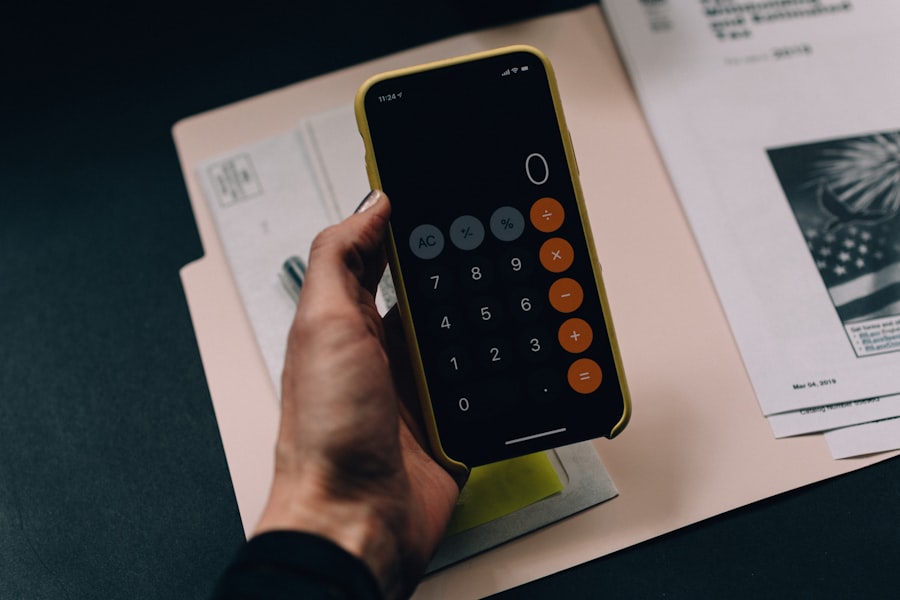
Technology has made budget tracking more accessible and convenient than ever before. There are numerous budgeting apps and online tools available that can help individuals track their finances effectively. These tools allow users to link their bank accounts, credit cards, and other financial accounts to automatically track income and expenses.
Budgeting apps such as Mint, YNAB (You Need a Budget), and Personal Capital offer features like expense categorization, goal tracking, bill reminders, and spending analysis. These tools provide a comprehensive overview of one’s financial situation and make budget tracking more efficient.
Online tools like spreadsheets or Google Sheets can also be used for budget tracking. They offer flexibility and customization options for individuals who prefer a more hands-on approach to budgeting.
Common Budget Tracking Mistakes to Avoid
While budget tracking can be highly beneficial, there are some common mistakes that individuals should avoid:
1. Not tracking all expenses: It is important to track all expenses, no matter how small. Even small purchases can add up over time and impact your overall budget. Make it a habit to record every expense, whether it’s a cup of coffee or a major purchase.
2. Not adjusting the budget as needed: As mentioned earlier, life is unpredictable, and financial circumstances can change. It is important to regularly review and adjust your budget as needed. If you experience an increase in expenses or a change in income, make the necessary adjustments to ensure that your budget remains realistic and effective.
3. Not saving for emergencies: One common mistake individuals make is not prioritizing emergency savings. It is crucial to set aside a portion of your income towards an emergency fund to cover unexpected expenses. This will help you avoid going into debt when faced with emergencies.
How to Stay Motivated When Tracking Your Finances
Staying motivated when tracking your finances is essential for long-term success. Here are some tips to help you stay on track:
1. Set achievable goals: Setting achievable goals is crucial for staying motivated. Break down your financial goals into smaller, manageable targets that you can achieve within a specific timeframe. Celebrate each milestone along the way to keep yourself motivated.
2. Find an accountability partner: Having someone to hold you accountable can greatly increase your motivation. Share your financial goals with a trusted friend or family member and ask them to check in with you regularly to see how you’re progressing.
3. Celebrate milestones: Celebrating milestones along the way can help you stay motivated and feel accomplished. Treat yourself when you reach a savings goal or pay off a debt. This will reinforce positive financial habits and keep you motivated to continue tracking your finances.
Budget Tracking for Couples: Strategies for Success
Budget tracking as a couple requires open communication and shared financial goals. Here are some strategies for successful budget tracking as a couple:
1. Set joint financial goals: Sit down together and discuss your financial goals as a couple. Identify common goals such as saving for a house, paying off debt, or planning for retirement. This will help you align your budgeting efforts and work towards these goals together.
2. Track expenses together: Make it a joint effort to track expenses. Set aside time each week to review your budget and discuss any adjustments that need to be made. This will help you stay on the same page and ensure that both partners are actively involved in the budget tracking process.
3. Allocate individual spending allowances: While it is important to track joint expenses, it is also crucial to allocate individual spending allowances. This allows each partner to have some financial autonomy and spend money on personal interests without feeling restricted.
Integrating Budget Tracking into Your Daily Routine
Integrating budget tracking into your daily routine is essential for long-term success. Here are some tips to help you make budget tracking a habit:
1. Track expenses as they occur: Make it a habit to track your expenses as they occur. Use a budgeting app or carry a small notebook with you to record expenses in real-time. This will help you stay on top of your finances and avoid forgetting any expenses.
2. Set aside time each week for budget review: Set aside a specific time each week to review your budget and make any necessary adjustments. This can be done on a Sunday evening or any other day that works best for you. Consistency is key when it comes to budget tracking.
3. Automate where possible: Take advantage of automation features offered by budgeting apps or online tools. Set up automatic bill payments and savings transfers to ensure that you stay on track with your financial goals.
The Long-Term Benefits of Mastering Your Finances
Mastering your finances through budget tracking offers numerous long-term benefits. Firstly, it provides increased financial security. By consistently tracking your income and expenses, you can build an emergency fund, pay off debt, and save for retirement. This financial security provides peace of mind and protects you from unexpected financial hardships.
Secondly, mastering your finances allows you to achieve long-term financial goals. Whether it’s buying a house, starting a business, or traveling the world, budget tracking helps you allocate your resources effectively and work towards these goals.
Lastly, mastering your finances gives you the freedom to make choices that align with your values and priorities. By understanding your financial situation and making informed decisions about your money, you can live a life that is in line with your goals and aspirations.
Budget tracking is a powerful tool that can help individuals achieve their financial goals and gain control over their finances. By consistently tracking income and expenses, individuals can increase their financial awareness, make better financial decisions, save money, and reduce debt. It is important to set realistic goals, track expenses regularly, adjust the budget as needed, and leverage technology to make budget tracking more efficient. By integrating budget tracking into their daily routine and staying motivated, individuals can achieve long-term financial success and enjoy the benefits of mastering their finances. Start tracking your finances today and take control of your financial future.
If you’re interested in budget tracking and want to avoid the mistakes that can lead to startup failure, you should definitely check out this insightful article on “Why Startups Fail: 11 Mistakes Founders Keep Making.” It provides valuable insights into the common pitfalls that entrepreneurs often overlook. Additionally, if you’re looking to enhance your business case writing skills, you might find this article on “Writing a Business Case: What It Is and How to Write” helpful. And for those who are eager to grow their business, understanding the importance of a growth strategy is crucial. This article on “Want to Grow Your Business? You Need a Growth Strategy” offers practical tips and strategies to help you achieve your business goals.
FAQs
What is budget tracking?
Budget tracking is the process of monitoring and recording your income and expenses to keep track of your spending habits and financial goals.
Why is budget tracking important?
Budget tracking is important because it helps you understand where your money is going and allows you to make informed decisions about your spending. It also helps you identify areas where you can cut back on expenses and save money.
What are the benefits of budget tracking?
The benefits of budget tracking include better financial management, improved savings, reduced debt, and increased financial security. It also helps you stay on track with your financial goals and avoid overspending.
How do I start budget tracking?
To start budget tracking, you need to create a budget plan that outlines your income and expenses. You can use a spreadsheet or budgeting app to track your spending and monitor your progress. It’s important to review your budget regularly and make adjustments as needed.
What are some tips for successful budget tracking?
Some tips for successful budget tracking include setting realistic goals, tracking your expenses regularly, categorizing your spending, and reviewing your budget regularly. It’s also important to be flexible and make adjustments as needed to stay on track with your financial goals.